Breast Pain, Perimenopause and HRT: Where Iodine Fits In
When your breasts hurt and your scans and blood tests are “normal”, it’s easy to blame hormones or HRT alone – but an iodine deficit may be what’s turning the volume up.

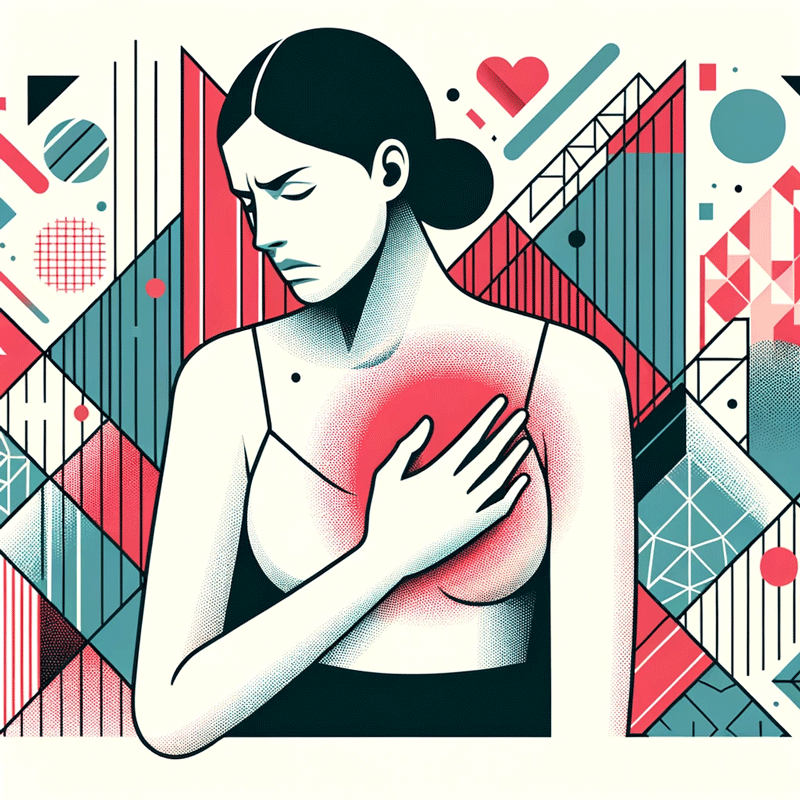
When your breasts hurt and your scans and blood tests are “normal”, it’s easy to blame hormones or HRT alone – but an iodine deficit may be what’s turning the volume up.
If you look in the mirror and see new wrinkles forming, you likely blame aging skin. But emerging wrinkles may actually be signalling diminishing bone density. It turns out osteoporosis and skin crepiness share some surprising connections.
Several studies reveal that women with osteoporosis and osteopenia tend to have more pronounced wrinkling and other signs of skin aging compared to their peers with normal bone density. Why does low bone mass translate to wrinkly skin? A few reasons explain this link:
Studies show that skin and bones share common building blocks-proteins, and aging is accompanied by changes in skin and deterioration of bone quantity and quality. Deepening and worsening skin wrinkles are related to lower bone density – the worse the wrinkles, the lesser the bone density, and this relationship is independent of age or of factors known to influence bone mass.
Your wrinkles are trying to tell you to take care of your bones! Don’t dismiss these visible clues your body provides. Boosting bone density through having collagen daily, including weight-bearing exercise, nutrition, and other interventions can renew skin thickness and hydration.
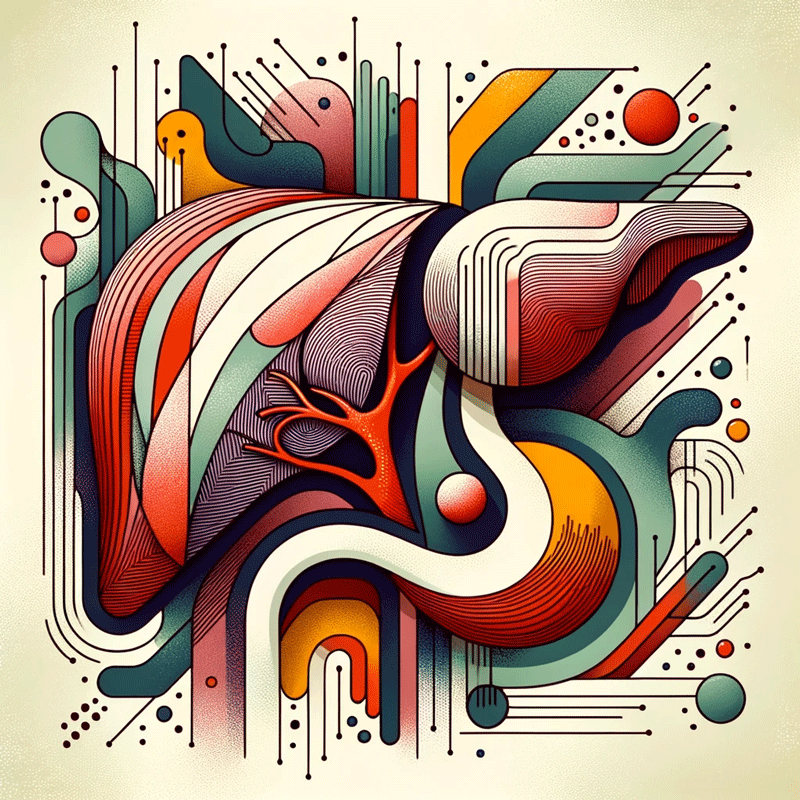
Pain under your right ribs that creeps round to your back or shoulder is one of those symptoms women often dismiss as “just indigestion” or “I must have eaten too fast.” In my clinic, it’s one of the clues that makes me think about your gallbladder – especially in your 40s and 50s.
What your gallbladder is actually doing
Your gallbladder is a little storage pouch tucked under your liver. Its job is to store and concentrate bile – the greenish liquid your liver makes to help you break down fats, absorb fat‑soluble vitamins, and escort cholesterol and certain used hormones and toxins out of the body. A good short explanation of this is in this overview of estrogen and bile flow: open‑access review.
When things are working smoothly:
You feel satisfied after eating, you tolerate fats, and your bowels move regularly with well‑formed stools – this is exactly how midlife gallbladder health is described in practical resources for women, such as this menopause‑focused gallbladder article: gallbladder in midlife.
How gallbladder pain tends to show up
When bile doesn’t move well or gallstones form, the symptoms are surprisingly specific.
Women often describe:
Not every gallbladder is dramatic. A sluggish one can simply give you:
This is the cluster of symptoms that so often gets labelled “IBS”, “a sensitive stomach”, or “just menopause”, and which midlife‑focused practitioners describe in more detail here: perimenopause & gallbladder.
Why perimenopause is a peak time for gallbladder trouble
Perimenopause isn’t a gentle slide; for many women it’s a hormonal rollercoaster. Oestrogen doesn’t just decline, it often surges higher than it was in your 30s, then drops again. Progesterone is often lower and more erratic, and metabolic risk factors such as central weight gain and insulin resistance increase, as outlined in reviews of menopause and metabolic syndrome (for example, this one: endocrine changes in postmenopausal women).
Those hormone swings matter because:
On top of that, perimenopause is a time when weight can creep up, insulin can become a bit less sensitive, and thyroid function can wobble – all recognised risk factors for gallstones in reviews such as this one on excess body weight and gallstone disease: body weight & gallstones.
Imaging work in perimenopausal women with upper‑digestive symptoms has shown that it can take many hours – not the usual few – to fully empty the gallbladder after a meal, and that delayed emptying is common in this group; some of these women later went on to develop gallstones. You can see the abstract here: gallbladder emptying in perimenopausal women. The authors concluded that perimenopausal hormonal changes likely promote bile stasis and stone formation – exactly what I see clinically.
Where HRT fits in
On paper, HRT can make a cholesterol blood test look better – LDL down a bit, HDL up a bit – as summarised in reviews of HRT and lipid profiles such as this one: HRT & lipid profile. That’s what’s happening in your bloodstream.
Inside the liver and bile, it’s a different story:
Large population studies find that women using HRT are more likely to develop gallstones and more likely to end up having their gallbladder removed than women who don’t use HRT, even when you allow for age and weight. The Korean national cohort analysis is a good example: menopausal hormone therapy increases the risk of gallstones. Cohort work on menopausal characteristics and hormone therapy (for example, this open‑access paper: menopause & HRT characteristics) shows that higher cumulative HRT exposure is associated with higher long‑term risk of cholecystectomy.
So you can be someone whose cholesterol numbers have “improved” on HRT and yet whose gallbladder is under more strain, with thicker, more stone‑friendly bile and a weaker squeeze.
The “eat less fat” trap I see all the time
Here’s a very common story in my clinic:
The reason? Your gallbladder needs a certain amount of fat in a meal to get the message to contract. That message is sent by a hormone called cholecystokinin. Studies of nutrient fat and gallbladder motility show that when meals are very low in fat or calories, gallbladder emptying is blunted and bile tends to sit and thicken; including a small amount of fat leads to more complete emptying.
If you hardly eat fat for days and then have a very heavy, greasy meal, you can get a sudden, intense contraction against thick bile or stones – the classic gallbladder attack.
What your gallbladder generally likes is:
Everyday ways to look after your bile in midlife
If you don’t have red‑flag symptoms (I’ll come to those in a moment), there’s a lot you can do to support bile flow and gallbladder comfort.
Think “regular signalling, regular emptying”:
It’s about creating a rhythm your gallbladder can keep up with.
Where taurine and Beta‑TCP can help
Supplements don’t replace proper assessment, but they can be very helpful tools in the right woman.
If you know or strongly suspect you have gallstones, or you are on HRT, these are not do‑it‑yourself decisions. It’s worth working with someone who can think about dose, timing and whether you’re in the right phase (sluggish bile versus inflamed stone).
When it’s not one to self‑manage
There are some situations where I would not want a woman to “see how it goes” with food and supplements.
Please get urgent medical help if:
Those signs raise concern for an inflamed gallbladder, a blocked bile duct, infection in the bile ducts or pancreatitis. Red‑flag features like these are listed on NHS pages such as the acute cholecystitis overview: acute cholecystitis, and in standard gallstone symptom summaries.
Bringing it all together
If you recognise yourself in this – the upper‑right pressure, the “I can’t do fats any more,” the perimenopausal timing, maybe layered on top of HRT – you likely need to pay attention to a system that is under extra pressure right now.
You don’t have to live with that ongoing dread that every slightly richer meal might set something off. With the right investigations, some simple changes to how and what you eat, and targeted support for bile flow where appropriate, your gallbladder can often be brought into a much more comfortable rhythm.
And if you want help unpicking whether your symptoms are “just digestion,” gallbladder, HRT‑related – or a bit of all three – that is the kind of detective work I do with women in this phase of life.
If you constantly battle dark circles under your eyes no matter how much sleep you get or concealer you use, excess histamine could be the culprit.
Histamine is a chemical involved in immune responses, stomach acid acid secretion, and regulating wakefulness. It also helps control our menstrual cycles, ovulation, and oestrogen levels.
Excess histamine can cause dark circles under the eyes by:
Having too much histamine can cause a long list of issues. Here are some of the most common high histamine associated symptoms experienced by women:
What causes high histamine?
Common triggers include food allergies/sensitivities, an imbalance in gut bacteria, hormonal imbalances, and high stress levels. Medications like over the counter painkillers and antibiotics also raise histamine.
Persistent dark under eye circles may be just one manifestation of histamine intolerance. Checking for other high histamine signs can clue you in.
Do you feel gassy and bloated after eating meals? While overeating can easily cause bloating, there’s another culprit that often goes unconsidered – low stomach acid production.
Your stomach relies on hydrochloric acid (HCl) to break down food and kill off any potential pathogens. Adequate HCl is especially crucial for digesting protein rich foods like meat, eggs, and fish.
When your stomach acid is too low, food sits in the stomach undigested for longer. This gives more time for fermentation by bacteria, which produces gas and causes bloating. Low HCl also means the stomach empties more slowly, allowing gases to accumulate.
Some other signs of low stomach acid include:
What causes low HCl? Stress is a major factor as it redirects blood flow away from the gut. Insufficient chewing, eating too fast, and food intolerances can also reduce acid secretion. Advancing age is another common cause, with HCl output declining as we get older. Chronic antacid use likewise impairs HCl production over time.
Improving low HCl can prevent bloating and the many problems linked to poor digestion. Strategies include reducing stress, drinking apple cider vinegar with meals and taking HCl supplements like betaine hydrochloride.
Relieving bloating may be as simple as improving stomach acid levels. Work with me to determine if low HCl could be at the root of your discomfort after eating. With a few lifestyle changes and strategic supplements, you can get your digestion back on track and say goodbye to post-meal bloating for good within a few days.
End of content
End of content
30 minutes · Free · No obligation
Not ready to book? Follow my thinking on Substack
Sandra Ishkanes Natural Menopause Specialist based in Brighton, serving clients worldwide via Online Consultations
BSc Molecular Biology (King’s College London) | DipION | Functional Medicine Practitioner
Registered member, Association of Naturopathic Practitioners (ANP) – the UK professional body for accredited naturopathic and functional medicine practitioners. ANP members hold accredited qualifications, carry professional indemnity insurance, and follow a strict code of ethics.
© 2026 Sandra Ishkanes · sandraishkanes.co.uk
Approach · Work With Me · Case Studies · Meet Sandra · Writing · Book a Discovery Call
The information provided on this website is for educational and informational purposes only and is not intended as medical advice, diagnosis, or treatment. Sandra Ishkanes is a Functional Medicine Practitioner and Molecular Biologist, not a medical doctor. Always seek the advice of your GP or other qualified healthcare provider with any questions you may have regarding a medical condition or before making any changes to your diet, lifestyle, or supplement regimen—especially if you are currently taking prescription medication or HRT. Never disregard professional medical advice or delay in seeking it because of something you have read on this website.