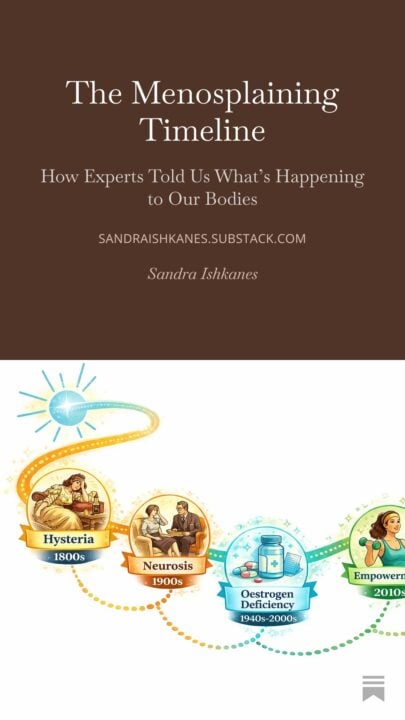
How Experts Told Us What’s Happening to Our Bodies
For two centuries, menopause has been explained to us by doctors, marketers, media voices, and now influencers, each with a theory, a treatment, or a product to offer. This is the history of menosplaining: my menopausal version of mansplaining – the confident retelling of women’s experiences by experts, influencers, and industries who claim to know better.
It borrows its spine from Rebecca Solnit’s account of men explaining things to women, mansplaining, and I share her caveat: it’s the intersection between overconfidence and cluelessness where some portion gets stuck. In menopause, that now includes women as well as men – anyone who takes what a woman feels in her own body, forces it through the fashionable grand theory of the day, and hands it back as a problem that only a doctor, a drug, or a product can fix.
From hysteria and hormone deficiency to femvertising, HRT evangelism, and the modern menopause gold rush, the story keeps changing, but the message is familiar: your symptoms are yours, but the story isn’t.
If you’ve ever walked out of an appointment thinking, that’s not what I said, and that’s not what I feel, you’ve already met menosplaining. So many of us learned to doubt our own bodies because everyone else sounded more certain about them than we did. Most of us were offered a choice that may have never felt right: suffer in silence or sign up for ongoing hormonal treatment. Deficiency or denial. The third option was erased: adapting to what our bodies are moving through.
1800s
The Age of Hysteria
Who’s doing the menosplaining: early European physicians.
What they said: Menopause is a “critical age,” a form of female instability caused by a malfunctioning womb.
The agenda: Pathologise women’s emotions; justify medical control.
Typical treatment: Bloodletting, purgatives, and moral restraint.
1900s
The Freudian Turn
Who’s doing the menosplaining: psychoanalysts and moral reformers.
What they said: Menopause triggers neurosis because women can’t accept the loss of fertility.
The agenda: Blame women’s minds instead of examining their environments.
Typical treatment: Sedatives, electrotherapy, and domestic confinement.
1940s–2002
The Hormone Revolution, the Deficiency Gospel, and the Media Machine
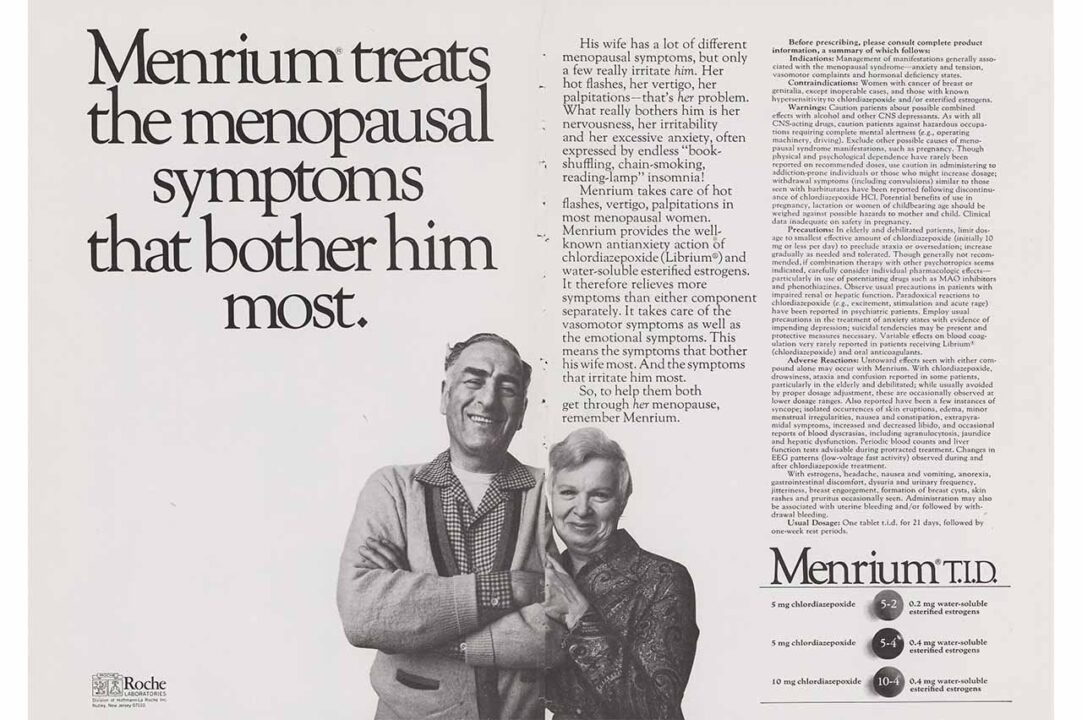
Who’s doing the menosplaining: gynaecologists, pharmaceutical companies, advertisers, and the mass media.
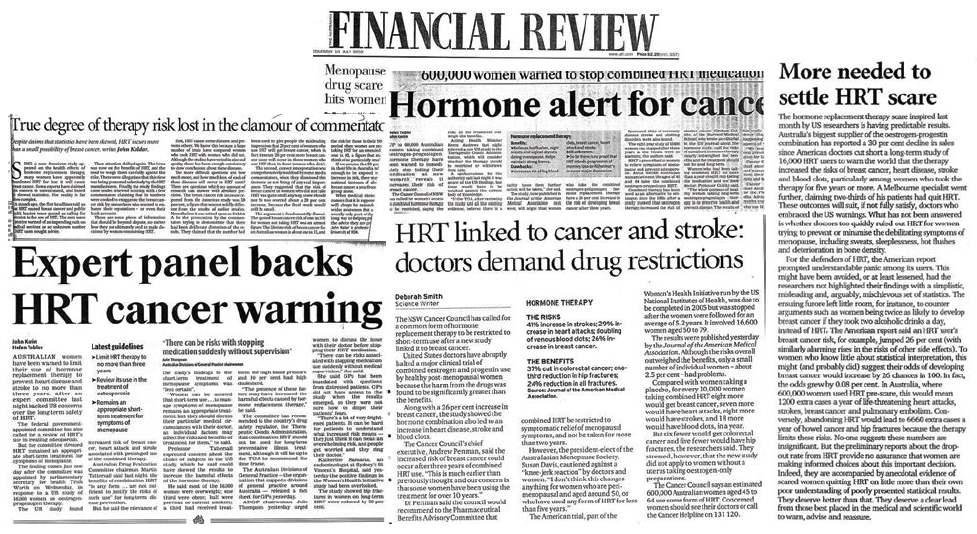
What they said: Menopause is a hormone failure – an oestrogen deficiency disease that steals youth, vitality, and femininity. But not to worry: salvation lies in replacement. From the 1940s onward, synthetic oestrogen is marketed as medical miracle, and by the 1960s the message is gospel. Robert Wilson’s Feminine Forever (1966) calls menopause “living decay” and promises that oestrogen will make women “feminine forever.” By the 1990s, newspapers, magazines, and television had taken up the sermon, declaring menopause a crisis that only medicine could manage.
The agenda: Build an empire of dependency. First through medicine – convincing doctors that every woman needed lifelong hormone replacement – then through media and marketing, which turned midlife into a chronic condition with a consumer solution.
Typical treatment: Premarin tablets, hormone patches, glossy magazine spreads, and “youth-preserving” advertisements that blurred the line between public health messaging and product placement. Even headlines about empowerment came with a sales pitch.
The feminist backlash: From the 1970s onward, the Women’s Health Movement begins to rebel, exposing the pharmaceutical capture of medicine and insisting that menopause is a natural transition, not a pathology. Books like Our Bodies, Ourselves and feminist collectives challenge medical paternalism, calling out the “oestrogen deficiency” dogma as another form of control. Yet their message is drowned out by the media chorus. As late as 2002, major outlets still described menopause as decline and HRT as salvation – right up until the Women’s Health Initiative study shattered the illusion.
The menosplaining effect: The age of medical menosplaining evolves into media menosplaining – a seamless handover from doctor to journalist to advertiser. Women’s experiences are narrated for them, repackaged as problem–solution stories. The message remains the same: your body is betraying you, but don’t worry – we can sell you back your femininity.
2002-2015
The Fall of the Hormone Gospel
Who’s doing the menosplaining: clinical researchers, media outlets, and panicked public-health bodies.
What happened: The Women’s Health Initiative (WHI), the largest randomised study of its kind, released its early findings. Designed to test whether HRT could prevent disease rather than treat menopausal symptoms, the trial’s combined-HRT arm was halted after just five years. Results showed a 29 % increase in coronary heart disease, 41 % rise in stroke, double the rate of blood clots, and a 22 % increase in total cardiovascular disease among women taking combined HRT compared to placebo (ScienceDirect, 2025).
The conclusion: the risks outweighed the benefits.
The agenda: Overnight, the miracle drug became a liability. Media headlines screamed “HRT Causes Cancer” and “The Dangerous Drug for Women.” Doctors, fearing lawsuits, stopped prescribing; women threw away their pills; pharmaceutical shares plunged.
Typical treatment: None – suddenly, the treatment that had been sold as salvation was treated like poison. Many doctors were too scared to continue prescribing HRT to any woman. Now, they told women, basically, you’re on your own. Government health bodies didn’t help; they issued new advice to doctors to only prescribe HRT to the most severely affected women, and then in the lowest possible dose, for the shortest possible time.The fallout: The crash of confidence silenced an entire generation of research into midlife women’s health. Funding evaporated, innovation stalled, and millions of women were left untreated and confused.
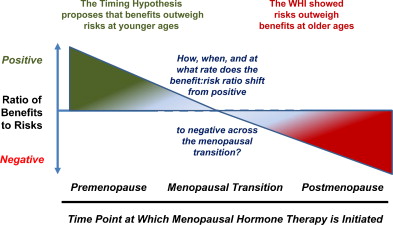
The revisionist wave: Later analyses showed that the problem lay less in hormones themselves than in timing, formulation, and dosage – many WHI participants were older, long past menopause, and other formulations, such as transdermal patches and different progestogens (like micronized progesterone), may have different, potentially better, safety profiles, especially regarding the risk of blood clots. The myth of “dangerous HRT” stuck, and the pendulum of fear replaced the previous era’s blind faith.
2015 – 2020
The Menowars Begin: Rehabilitation in the Journals, Silence in the Surgery
Who’s doing the menosplaining: guideline committees, professional societies, re‑analysis authors, and a new generation of menopause specialists quietly building the case for HRT’s return.
What they said: The problem, it turns out, was never the hormone gospel itself – only the way it had been preached. Armed with re‑analyses of the Women’s Health Initiative and new observational data, key opinion leaders began to argue that HRT was “much safer than we thought,” that earlier fears had been “overblown,” and that millions of women had been “unnecessarily deprived” of treatment. In 2015, the UK’s National Institute for Health and Care Excellence (NICE) published updated menopause guidelines that softened the language around HRT, recommending it for troublesome vasomotor symptoms and noting that risks were lower than previously feared, especially in younger women starting within ten years of menopause.
The agenda: Reclaim medical authority over menopausal bodies, but quietly. This was rehabilitation by journal article and guideline update, not mass media campaign. The new message was nuanced: HRT wasn’t suitable for everyone, but it had been unfairly demonised, and the “timing hypothesis” mattered – start early, use transdermal where appropriate, individualise the decision. Yet most women never heard this update. GPs remained cautious, many still scarred by the post‑2002 backlash. Prescribing stayed low. The gap between what specialists were saying in conferences and what women were experiencing in ten‑minute appointments grew wider.
The menosplaining effect: This is the period when menopause discourse splits into two worlds – the world of guidelines and evidence reviews, where HRT is being quietly rehabilitated, and the world of lived experience, where women are still being told “just tough it out” or offered antidepressants instead. The menowars are brewing, but they haven’t yet exploded into public view. That changes in 2021.
2021 – 2025
The Davina Effect, the HRT Shortage, and the Mainstreaming of Menopause
Who’s doing the menosplaining: celebrity advocates, TV documentaries, workplace campaigners, and a newly vocal cohort of women demanding to be heard – but also, increasingly, pharmaceutical companies, private clinics, and media outlets eager to capitalise on the momentum.
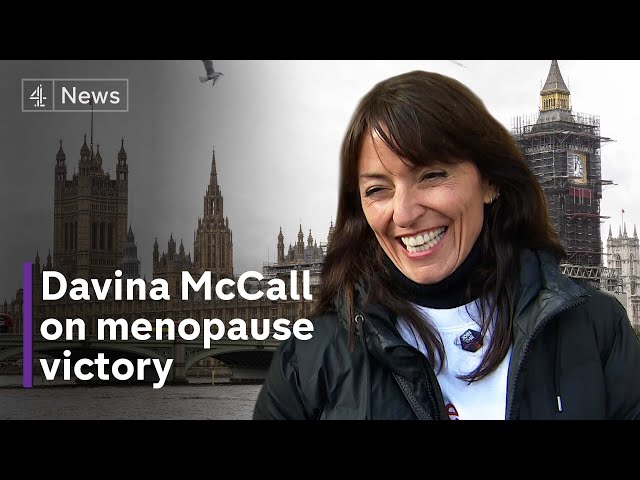
What happened: On 11 May 2021, British TV presenter Davina McCall’s documentary Sex, Myths and the Menopause aired on Channel 4. McCall, then 53, described her own confusion, shame, and relief upon finally getting HRT through a private clinic, and the film combined personal testimony with expert voices arguing that HRT had been dangerously under‑prescribed for nearly two decades. The documentary was watched by millions and instantly shifted the national conversation.
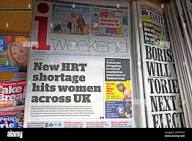
Within a month, demand for HRT surged by 30%; by the end of 2021, it had climbed 130%. Pharmaceutical companies began referring to “the Davina effect,” and by spring 2022, the UK faced an acute HRT shortage, with some women travelling hundreds of miles to find their prescriptions. McCall called the situation “insane,” and the government was forced to intervene, appointing a menopause tsar and working with pharmacists to manage supply.
At the same time, menopause entered the workplace. In 2019, fewer than one in ten UK employers had any menopause policy; by 2021, that figure had risen to almost a quarter. In July 2022, the UK Parliament’s Women and Equalities Committee published a major report, Menopause and the Workplace, documenting discrimination, lost talent, and the urgent need for employer support. By March 2023, the UK government had appointed its first Menopause Employment Champion.
The agenda: On the surface, this looks like victory – menopause is finally being named, women are finally being heard, and treatment is finally accessible. But underneath, the same old script is being rewritten in glossier ink. Menopause is once again framed as a deficiency state requiring pharmaceutical correction, and the “Davina effect” is as much about private clinic expansion and media‑driven demand as it is about genuine informed choice. McCall’s documentary was credited as “game‑changing,” and it undeniably was – but it also set the terms for what would come next: a gold rush.
Typical treatment: HRT, now rebranded as evidence‑based empowerment; private menopause clinics offering fast‑track access; media campaigns blurring the line between public health messaging and product placement; workplace menopause policies that position symptoms as individual management challenges rather than systemic issues.
The menosplaining effect: The story is no longer “you’re hysterical”; it’s “you’ve been denied the treatment you deserve.” Both narratives share a core assumption: that women’s bodies at midlife are inherently deficient and require expert correction. The difference is tone, not thesis.

How One Prebiotic Sugar Turned a Regular Deodorant into a “Meno” Product
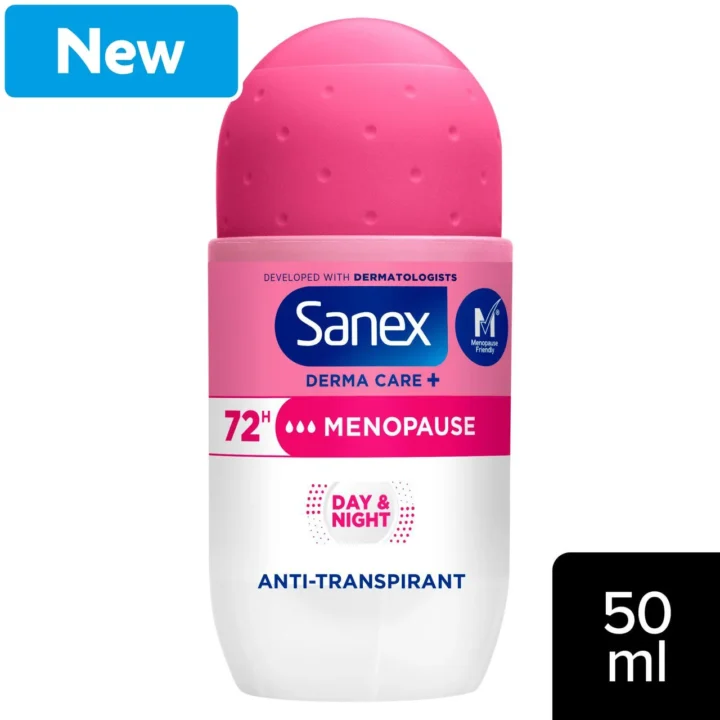
Sanex Derma Care Menopause Roll-On Deodorant
Morrison’s £2.00
Ingredients:
Aqua
Aluminum Chlorohydrate
PPG-15 Stearyl Ether
Steareth-2
Glycerin
Steareth-21
Parfum
Aloe Barbadensis Leaf Juice
Caprylyl Glycol
Calcium Silicate
Inulin
Aluminum Sesquichlorohydrate

Sanex Derma Care+ Extra Control 72Hr Antiperspirant
Superdrug £1.50
Ingredients:
Aqua
Aluminum Chlorohydrate
PPG-15 Stearyl Ether
Steareth-2
Glycerin
Steareth-21
Parfum
Aloe Barbadensis Leaf Juice
Caprylyl Glycol
Calcium Silicate
Ethylhexylglycerin
Aluminum Sesquichlorohydrate.
The menopause roll‑on is the regular Sanex antiperspirant with inulin – one fashionable prebiotic sugar – swapped in and a menopause badge added on top. Everything that actually stops you sweating is the same; what’s changed is the story.
2020–2024
The Age of Femvertising, Meno‑Washing, and the Menopause Gold Rush
Who’s doing the menosplaining: brands, marketers, celebrity ambassadors, streaming platforms, social‑media juggernauts – and now, high‑street and online supplement companies repackaging the same old products in midlife‑friendly colours.
What they said: Menopause finally became speakable – but only on commercial terms. Advertisers discovered that “taboo‑breaking” sells. Campaigns began to feature grey‑haired models, visible hot flushes, and slogans about “speaking up,” “breaking the silence,” and “no more shame.” On the surface, it looked like liberation. Underneath, the script remained unchanged: menopause was still a problem in need of fixing; it was just being packaged as empowerment.
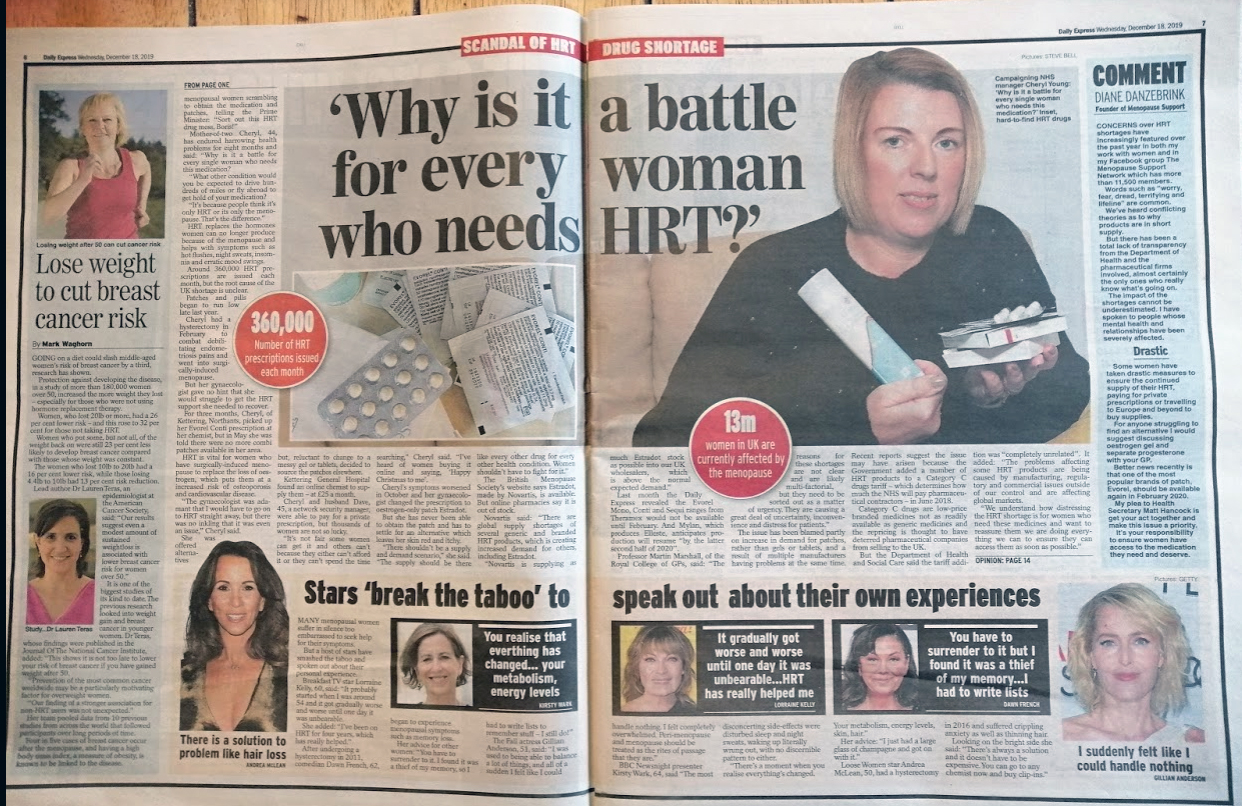
This is femvertising in midlife form – the use of feminist language and imagery to sell products. The new menopausal heroine is not the village elder or the wise woman who has completed a biological transition; she is the restless consumer who refuses to “let menopause slow her down” and is celebrated for “taking control” by purchasing solutions. Gwyneth Paltrow launched a Goop line at Target, calling menopause “an absolutely beautiful rite of passage” – while simultaneously implying it required specialist skincare, supplements, and wellness products to navigate. Naomi Watts co‑founded Stripes, a menopause beauty and wellness brand, and published a book positioning midlife as a time for reinvention – via retail – the 11-piece inaugural lineup, featuring ingredients like ectoine and hyaluronic acid, includes products such as “The Power Move” serum, “Dew As I Do” cream, and “Full Monty” body oil. In the meantime Halle Berry has launched a menopause-focused wellness line under her brand Respin, partnering with Joylux to create intimate health products, including the “Let’s Spin” intimacy gel and a specialised vFit Plus intravaginal red-light device. In December 2022, The New York Times declared it the “Menopause Gold Rush.”
Enter meno‑washing: the rebranding of generic or weakly evidenced supplements and products as “menopause‑specific.” By 2024, British regulators, doctors, and consumer watchdogs were sounding alarms about misleading menopause marketing. A standard multivitamin becomes a “menopause complex.” Basic magnesium becomes “for menopausal sleep.” Collagen sachets are sold as rescuing “menopause skin.” The packaging carries hot‑flush iconography, the word “hormones,” and a promise to “rebalance” or “support” a menopausal body – without meaningful clinical data, clear dosing rationale, or honest discussion of limitations.
Supermarkets created “menopause bays”; influencers launched affiliate‑linked supplement lines; even doctors with large social media followings began selling branded products while positioning themselves as trusted educators. In 2024, a U.S. consumer protection group issued an alert warning that many menopause supplements made claims regulators explicitly prohibit, and a major study published in BMJ Open found that 93% of major menopause content creators on social media had conflicts of interest – yet only one in three declared them.
Already in 2023, the market was worth $16.9bn globally. And the potential is far higher. According to Forbes, it could reach $6oobn by 2o3o. Mintel counted hundreds of global food, drink and BPC launches mentioning the menopause on-pack between January 2o2o and December 2o23, with 86% in beauty and personal care.
The agenda: Turn a universal, time‑limited transition into a long‑term growth market. Position brands as allies to “strong, unapologetic” women while deepening dependence on products – HRT, supplements, lubricants, apps, diagnostic tests, and menopause‑branded everything. Meno‑washing targets women who are wary of pharmaceuticals but desperate for relief, offering a softer, “natural” form of the same old message: your body is off‑kilter, and you need us to correct it.
Typical treatment: Branded HRT clinics; subscription symptom trackers; influencer‑fronted “menopause support” gummies, teas, and capsules with little robust evidence; vaginal products marketed as anti‑ageing skincare; supermarket “menopause bays” filled with repackaged basics; corporate “menopause at work” programmes sponsored by pharmaceutical or wellness companies. The actual foundations – food, sleep, workload, trauma, inequality, nervous‑system load – remain largely untouched.
The menosplaining effect: The story now sounds like this: “You are powerful, visible, and unstoppable – as long as you manage your midlife biology with our products.” Menopause is recast as a personal performance challenge. If you are still tired, foggy, or irritable, the implication is not that your environment is misaligned with your biology; it is that you haven’t yet found – or cannot afford – the right toolkit.
2023 – PRESENT
Influencers, Algorithms, the New Hormone Evangelism, Testosterone as the “Third Hormone,” High-Dose Prescribing, and the FDA’s About‑Face
Who’s doing the menosplaining: social‑media influencers, podcast hosts, corporate‑funded “menopause experts,” biohacking doctors, algorithm‑driven platforms, private hormone clinics – and, in late 2025, the U.S. Food and Drug Administration itself, now declaring that the risks it had warned about for over two decades were “misleading.”
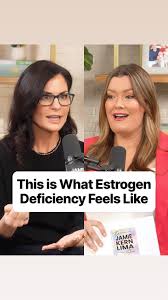
What they say: The new hormone evangelism presents as friendly, accessible, and science‑lite. In short clips and soundbites, menopause is described as a “brain disease,” an “oestrogen withdrawal syndrome,” or a “chronic hormone deficiency state.” The cure, invariably, is framed as continuous hormone replacement – sometimes for decades, sometimes “for life” – supplemented by “smart” diagnostics. On social media, risks are downplayed or ignored entirely, and benefits are overstated.
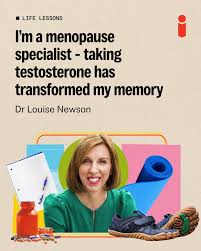
And then came testosterone. From 2021 onwards, the same influencers and private clinics that had normalised HRT began promoting testosterone as the missing “third hormone” that all menopausal women need. While clinical guidelines cautiously permit testosterone only for women with hypoactive sexual desire disorder (HSDD) after HRT has been optimised – and only as a “consider,” not an “offer,” given the uncertain evidence – the online narrative expanded far beyond libido. Testosterone replacement therapy women were told, would fix brain fog, fatigue, low mood, poor sleep, muscle loss, and lack of motivation. It was framed as essential for longevity, quality of life, and even reversing the ageing process.
Prescriptions surged. In the UK, testosterone prescribing for women rose tenfold between 2021 and 2023, driven largely by the “Davina effect” and amplified by social media. Yet there are no licensed testosterone products for women anywhere in the world; all prescribing is off‑label, using male formulations, often without robust evidence for the claims being made. The pattern was starkly socioeconomic: wealthier women in less deprived areas were far more likely to be prescribed testosterone, often through private clinics that initiated treatment earlier and more liberally than NHS guidelines recommended. In January 2026, Women’s Health magazine called it “the Wild West of Testosterone.”
As testosterone was reentering the zeitgeist as the potential missing piece the hormone therapy puzzle, in March 2023, professional medical societies were pushing back. The British Menopause Society issued a public statement warning that promoting testosterone as a routine “third component” of HRT was creating “unrealistic expectations” and spreading misinformation. The Menopause Society in the U.S. explicitly stated that testosterone should not be used for ageing prevention, hair loss, skin changes, or weight gain, and that evidence for mood, cognition, and energy benefits remained insufficient. Yet the online narrative continued, often driven by doctors with undeclared commercial conflicts of interest.
The uncomfortable truth about testosterone in midlife is that it doesn’t disappear at menopause – it becomes more important. Once oestrogen steps back, androgens, especially testosterone, take on a larger share of the work, and studies in older women link higher free testosterone with better bone density and lean mass, underscoring its ongoing role in strength and vitality. Testosterone in midlife comes largely from the adrenal glands – the same glands that make cortisol – so when you’re stressed and firefighting day in, day out, particularly if you’re already in the classic symptom cluster, your adrenals prioritise cortisol and testosterone production inevitably falters. In that context, exogenous testosterone can only ever be a sticking plaster on an overwhelmed system, not a true restoration of health.
Alongside the testosterone evangelism, another pattern emerged: dose escalation. Women whose symptoms persisted on standard HRT were increasingly being told they were “not absorbing” their hormones properly, and that they needed higher – sometimes much higher – doses to achieve “therapeutic levels.”
The logic was seductive: if symptoms remained despite HRT, the problem must be absorption, not the underlying biology or environment. Clinics began routinely prescribing doses well above standard licensed levels – sometimes double, triple, or higher – justified by blood tests showing low serum oestradiol despite treatment. Dr Louise Newson, who had become the UK’s most prominent menopause advocate after appearing alongside Davina McCall, stated that “women who absorb poorly inevitably require higher doses to achieve therapeutic levels” and that this was “fundamental pharmacology, not controversial medicine.”
But absorption is highly variable and influenced by application technique, skin condition, timing of blood tests relative to application, and even whether the skin was washed within an hour of applying gel. Studies showed that nearly one-third of women on standard HRT doses had low blood oestradiol levels – yet many were asymptomatic. Seven women in one study had extraordinarily high levels (over 4,000 pmol/L) that normalised on retesting, suggesting measurement error rather than true excess. Professional societies maintained that HRT should be titrated to symptoms, not blood levels, because hormone levels fluctuate wildly and don’t reliably predict symptom relief.
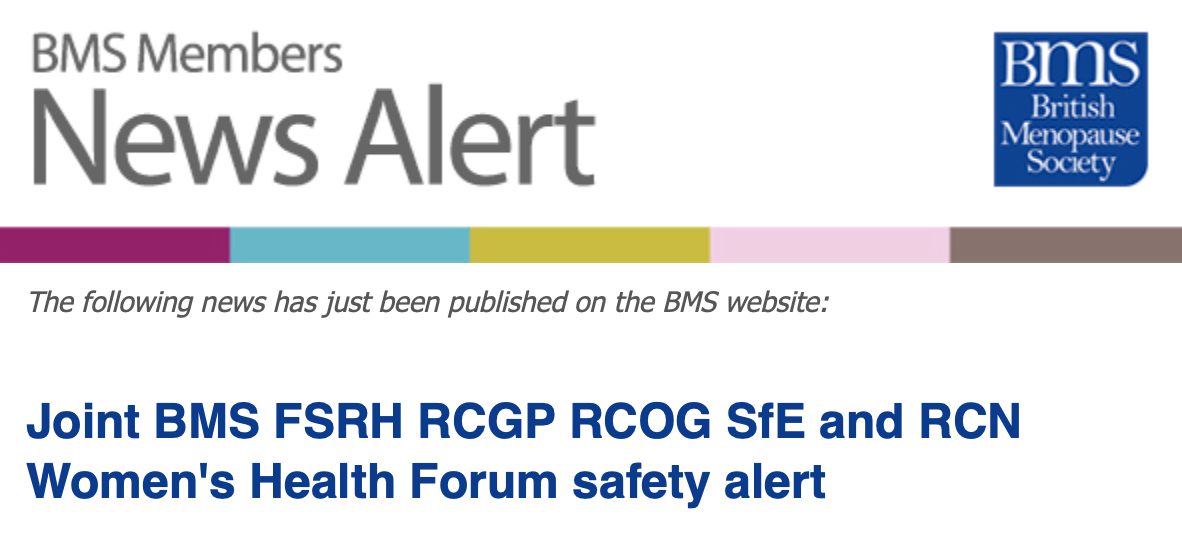
In April 2023, the British Menopause Society and five other major medical bodies issued a joint safety alert about high-dose oestrogen prescribing, warning of risks including endometrial thickening, bleeding, and inadequate progesterone coverage. The alert did not name individuals, but the BMS had been in correspondence with Dr Louise Newson about prescribing concerns since 2020.
In September 2024, BBC Panorama aired an investigation titled The Menopause Industry Uncovered, which featured testimonies from former staff at Newson’s clinic raising concerns about women being prescribed very high, off-label doses of HRT without adequate monitoring, and experiencing adverse effects including womb lining thickening and breakthrough bleeding. Shortly after, the British Menopause Society removed Dr Newson from their voluntary register of menopause specialists – a professional directory, not a regulatory body.
Dr Newson strongly rejected the allegations, stating that the General Medical Council – the actual medical regulator with power to remove a doctor’s licence – had investigated and cleared her, and that she had “passed with flying colours.” She and her supporters framed the BMS action as a professional witch hunt driven by jealousy and conflicts of interest, pointing out that many BMS members had ties to pharmaceutical companies whose standard-dose products she had publicly criticised. Others argued that the BMS removal was a necessary patient safety intervention in response to a documented pattern of high-risk prescribing.
The menosplaining effect: The high-dose narrative offered women an explanation for persistent suffering that placed blame on their bodies (“you’re a poor absorber”) rather than on their environments, workloads, trauma, or the possibility that menopause might require support beyond pharmaceutical correction. It also created a two-tier system: women who could afford private clinics accessed escalating doses and off-label prescribing, while NHS patients were held to guideline limits – not because of evidence, but because of cost and access. The Newson controversy became emblematic of a deeper tension: between clinicians who believed guidelines were unnecessarily restrictive and harming women, and those who feared that commercial pressures and celebrity influence were driving prescribing beyond the evidence base, turning menopause care into a lucrative but under-regulated market.
Meno-Washing Goes Algorithmic: alongside the new hormone evangelism, meno‑washing went fully algorithmic: menopause‑branded supplements are now pushed by targeted ads, affiliate links, and influencer codes, turning midlife distress into a recurring revenue stream while still sidestepping the deeper question of what this transition is actually for. In October 2024, a major study in BMJ Open analysed the 180 most visible social media posts about HRT in the UK and found that two out of three were misleading, that the vast majority of content creators had undeclared commercial conflicts, and that more than half of those giving advice were medical professionals. Women on Reddit menopause forums began openly discussing the toxicity of influencer‑driven menopause spaces, describing them as “HRT or die” echo chambers that left no room for alternative approaches or honest discussion of limitations.
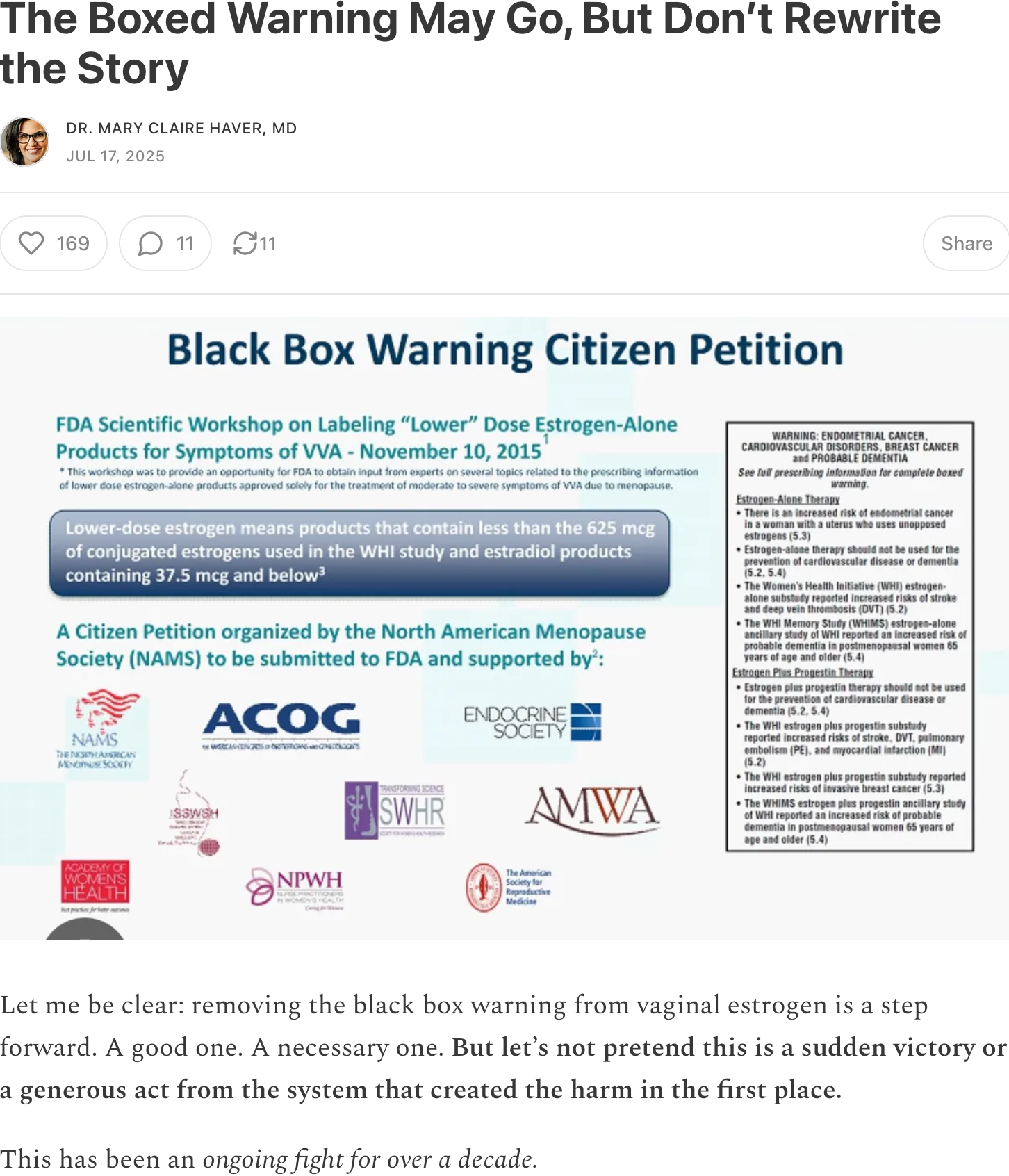
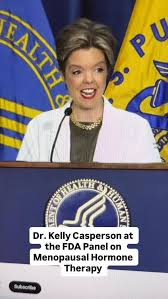
Then, in November 2025, the FDA made a historic reversal. After more than two decades of black‑box warnings on HRT labelling – warnings added in the wake of the 2002 WHI study – the agency announced it was removing references to increased risks of cardiovascular disease, breast cancer, and probable dementia. The FDA now cited data showing that when HRT is started within ten years of menopause, it may reduce the risk of cardiovascular disease by 25–50%, Alzheimer’s by 35%, and bone fractures by 50–60%. The agency kept only the endometrial cancer warning for oestrogen‑alone products, and framed the reversal as “restoring gold‑standard science to women’s health.” The latest research shows that HRT does not pose a positive benefit or negative risk on dementia or Alzheimer’s and should not be prescribed as risk reducer.
The agenda: Capture attention and loyalty in a crowded, profitable market. Algorithms reward certainty and drama, not nuance. So complex, adaptive biology is flattened into simple, absolute statements: “Menopause causes dementia unless you take HRT,” “You can’t age healthily without HRT,” “Testosterone is the missing piece,” “Your symptoms persist because you’re not absorbing your hormones,” “If you’re suffering, it’s because your hormones have been ignored.” The background, data‑consistent story – that many women adapt without replacement, that symptoms track lifestyle, stress, and environment, and that menopause evolved as a functional transition – rarely trends. The FDA’s reversal, while based on updated evidence, risks fuelling a new wave of pharmaceutical evangelism that once again positions HRT as default rather than option. And the testosterone narrative, despite lacking robust trial data or licensed products, is now embedded in the menopause playbook – not because the science demanded it, but because the market could monetise it.
Typical treatment: One‑size‑fits‑most protocols sold as personalised medicine. Continuous systemic HRT framed as brain and heart “insurance.” Testosterone added as a “third hormone” for women who can afford private care, often with little biopsychosocial assessment. High-dose prescribing justified by blood tests and “absorption” claims, sometimes reaching several times the licensed dose. Stacks of supplements and tests with little discussion of food, sleep, workload, trauma, or inequality. The adaptive capacities of the menopausal body – metabolic flexibility, intracrine hormone production, neuroplasticity – are almost entirely absent from the narrative.
The menosplaining effect: This is menosplaining in its algorithmic form. It doesn’t just overwrite individual experience; it pre‑writes it. Women arrive in clinics already convinced they are broken without hormones, already afraid of long‑term disease if they “miss the window,” already asking for testosterone because an influencer said it would give them their energy back, already believing their bodies can’t “absorb” standard doses if symptoms persist, and already suspicious of any approach that doesn’t start with a prescription. If they are thriving without HRT, they are told they are “lucky.” If they are struggling, they are told their biology is failing. Either way, the underlying adaptive, evolutionary design of menopause disappears from view.
Beyond Menosplaining: From Doctrine to Dialogue
By the time I finished writing and re‑reading this essay, I could feel the tears in my eyes. To witness women so thoroughly monetised, trapped inside a medical narrative built on an unquestioned “deficiency” at its core (is there truly an oestrogen deficiency in menopause?) and to feel the slow burn of anger at feminism’s wrong turn, is almost more than I can bear. Menosplaining has changed faces over two centuries, but its core move hasn’t changed: it takes an elegant, complex, adaptive design and flattens it into a hormonal deficit that someone else has a product for. The language has shifted from hysteria to deficiency, from disease prevention to empowerment, from paternalistic doctor to relatable influencer – yet the central assumption endures: your body is deficient and cannot be trusted to know what it is doing.
The work now is not to launch a counter‑doctrine – an anti‑HRT dogma to replace the pro‑HRT one – but to de‑centre doctrine altogether. To return menopause to the women living it. To recognise that there are multiple ways through this transition, including without HRT, and with support that honours the body’s attempt to adapt rather than overriding it by default.
Menosplaining thrives where women’s voices are dismissed, where biology is ignored or overriden and where only two stories are allowed: deficiency or denial. The antidote is a different kind of conversation, one in which lived experience, adaptive biology, and genuine informed choice all have a seat at the table.