The Surprising Role of Cortisol in Alzheimer’s
Alzheimer’s disease doesn’t begin with memory loss — it begins years earlier with a slow, silent shift in your body’s stress chemistry. Long before neurons die, your brain’s hormonal balance starts to erode under constant pressure from everyday stress. The same hormones that once kept you alert and focused start working against you, wearing down your brain’s repair systems and disrupting the flow of energy your cells depend on.
Cortisol, the body’s main stress hormone, plays a central role in this process. When it stays high for too long, it drains your metabolic reserves and interferes with memory formation. Meanwhile, a second hormone called DHEA-S acts as cortisol’s natural counterbalance, helping protect neurons and stabilize brain function.
When the ratio between these two hormones tilts toward cortisol, your brain loses its resilience and becomes more vulnerable to aging and degeneration. This hormonal tug-of-war — shaped by stress, diet, and metabolism — has drawn new attention from researchers exploring why some people develop Alzheimer’s while others do not. The latest findings suggest that long-term hormonal imbalance, not just genetics or plaque buildup, could be one of the earliest warning signs of decline.
Understanding this relationship changes how you think about prevention. By strengthening your metabolism, restoring hormonal balance, and reducing chronic stress, you can support your brain’s ability to heal and adapt — long before symptoms appear. The new research provides a roadmap for how to start.
Stress Hormones Tip the Balance Toward Alzheimer’s
A clinical study published in Cureus examined 85 adults in Serbia — 45 with diagnosed Alzheimer’s disease and 40 healthy peers of similar age and sex — to determine how two hormones, cortisol and DHEA-S, relate to brain health.1 Cortisol is your body’s main stress hormone, while DHEA-S (dehydroepiandrosterone sulfate) acts as its built-in counterbalance — a neurosteroid that supports brain resilience and energy metabolism.
Unlike DHEA, which is the fast-acting, active form, DHEA-S is its sulfated storage form that circulates in your blood far longer and provides a more stable picture of long-term stress balance. By focusing on DHEA-S, the researchers could better gauge chronic stress effects on the brain rather than short-term fluctuations. The scientists wanted to know whether Alzheimer’s patients showed measurable differences in these hormones or in their ratio, which indicates how well your body manages prolonged stress.
People with Alzheimer’s had higher cortisol levels but not lower DHEA-S — Those with Alzheimer’s showed cortisol levels averaging nearly 399 nanomoles per liter (nmol/L) — about 20% higher than healthy adults — yet their DHEA-S concentrations stayed roughly the same.
This imbalance means the stress response remains chronically activated without the brain’s natural protection. When cortisol dominates, neurons experience more inflammation and less regeneration. The study also noted that this skewed balance was strongest among participants aged 65 to 75, suggesting that middle-to-late adulthood is when stress hormones begin exerting their most damaging effects.
The cortisol-to-DHEA-S ratio proved to be the real warning sign — Although each hormone alone tells part of the story, the researchers emphasized that their ratio — how much cortisol outweighs DHEA-S — offers a clearer window into chronic stress and brain decline.
In Alzheimer’s patients, that ratio climbed steeply, implying that the body’s defense system against cortisol’s toxicity was failing. This finding helps explain why some people with normal cortisol readings still experience cognitive decline: it’s the imbalance, not just the level, that matters.
Men and women responded differently, revealing hormonal sensitivity — In healthy adults, men had significantly higher DHEA-S levels than women, meaning their brains could have greater protection from chronic stress. But that sex difference disappeared in those with Alzheimer’s.
The disease seemed to override normal hormonal patterns, flattening DHEA-S levels in both sexes. This means that once neurodegeneration begins, your brain’s ability to maintain hormonal balance — one of its self-defense tools — breaks down.
Age changed the picture again, suggesting a nonlinear hormonal response — When researchers divided participants by age, they noticed that younger Alzheimer’s patients (60 to 65) had higher DHEA-S levels, which dropped sharply in the 66 to 75 group before rising again after age 75.
This unexpected curve points to a possible window of hormonal collapse, where midlife stress overwhelms the body’s compensatory systems. If you’re in this age range and facing chronic stress, that’s when intervention — stress reduction, adequate rest, and metabolic support — could be most protective for your brain.
Cortisol Acts Like an Overzealous Cleanup Crew That Damages What It’s Meant to Protect
Elevated cortisol increases inflammation and oxidative stress — chemical reactions that corrode neurons and disrupt communication between brain cells. It also suppresses the growth of new neurons in your hippocampus, the brain’s memory center, making it harder to store new information.
In contrast, DHEA-S supports neuronal survival, enhances energy metabolism, and shields brain tissue from the harmful effects of excessive cortisol. When cortisol wins this hormonal tug-of-war, brain networks lose their flexibility and begin to deteriorate.
Why stress and memory loss are so tightly linked — Chronic cortisol elevation interferes with glucose uptake in brain cells, depriving them of the fuel needed to form memories. It also increases amyloid-beta and tau accumulation — the same proteins that define Alzheimer’s pathology.
Meanwhile, DHEA-S helps counter these effects by enhancing insulin sensitivity and calming overactive immune responses in your brain. In simple terms, one hormone burns your mental circuits, the other repairs them.
A new biological marker for early intervention — Instead of waiting for memory loss or imaging changes, tracking your cortisol-to-DHEA-S ratio could signal early stress damage years before cognitive symptoms arise.
If your cortisol stays high while DHEA-S falls or stagnates, that’s a red flag. Supporting your metabolic health, prioritising quality sleep, and restoring hormonal balance could help keep your brain’s internal environment stable long before Alzheimer’s develops.
Lowering Cortisol and Raising Metabolic Energy Could Reverse Brain Decline
In a commentary, bioenergetic researcher Georgi Dinkov analyzed the Cureus study showing that people with Alzheimer’s disease had significantly higher cortisol levels and a skewed cortisol-to-DHEA-S ratio compared to healthy adults.2 He explained that these results validate decades of bioenergetic research linking chronic stress, low metabolism, and neurodegeneration.
Dinkov emphasized that it’s not just elevated cortisol that drives decline — it’s the imbalance between cortisol and protective steroids such as DHEA, testosterone, and progesterone. When this ratio tips toward cortisol dominance, your body remains in a chronic “fight-or-flight” state that accelerates tissue breakdown and cognitive loss.
Dinkov connected the findings to thyroid-driven metabolic stress — Building on the Cureus data, Dinkov explained that hypothyroidism — a sluggish thyroid that slows metabolic energy production — creates the same hormonal pattern seen in Alzheimer’s patients: high cortisol and suppressed DHEA–S.
When your metabolism slows, your body compensates by ramping up stress hormones to stay alert and energized. But this backfires over time, leading to chronic brain inflammation, poor glucose uptake, and reduced adenosine triphosphate (ATP) production — the energy currency your brain depends on.
Your cortisol-to-DHEA-S ratio predicts long-term health better than any single hormone — According to Dinkov, this ratio — spotlighted by the Cureus research — is among the strongest predictors of all-cause mortality and neurodegenerative risk. Even when cortisol fluctuates throughout the day, the ratio reveals whether your stress and repair systems are balanced.
Dinkov suggested measuring cortisol and DHEA-S in hair or nails rather than blood, since these tissues reflect long-term hormonal patterns. For anyone trying to gauge chronic stress or cognitive risk, this offers a simple, objective biomarker that’s far more reliable than a one-time blood test.
Natural compounds help restore hormonal balance and metabolic strength — Dinkov referenced several well-known substances — aspirin, niacinamide (vitamin B3), progesterone, pregnenolone, thyroid support, glycine, and emodin — that help correct the same imbalance observed in the Cureus study. These compounds work by lowering excess cortisol, improving mitochondrial energy output, and supporting the production of protective hormones.
Niacinamide, for instance, increases NAD+, which fuels cellular repair, while aspirin dampens inflammation and cortisol overproduction. Used together, these tools shift your body back into a “rest-and-repair” mode rather than the constant stress chemistry that drives brain aging.
DHEA acts as a built-in cortisol regulator — Dinkov explained one of the key ways DHEA helps keep cortisol in check: it blocks the enzyme that turns inactive cortisol back “on” and boosts the one that clears excess cortisol from your body. This dual action makes DHEA a natural cortisol buffer that prevents the overactivation of stress pathways.
In other words, DHEA gives your brain a biochemical “cooling system,” stopping cortisol from overheating your neurons. Supporting DHEA through thyroid health, nutrition, and targeted supplementation helps restore this essential balance.
Stress is a symptom of low energy, not just emotional strain — Dinkov described how the elevated cortisol levels observed in the Cureus Alzheimer’s cohort represent a deeper issue: energy failure. When your cells don’t make enough ATP — whether from poor thyroid output, nutrient deficiencies, or aging — they turn to cortisol to compensate.
The hormone breaks down tissue to release fuel, but that process worsens energy depletion over time. This self-reinforcing loop explains why chronic stress feels endless: it’s a metabolic, not psychological, trap. Dinkov concluded that maintaining a low cortisol-to-DHEA-S ratio protects more than memory — it sustains whole-body resilience.
People who keep this ratio balanced experience better sleep, stable mood, and slower biological aging. His message is practical: by restoring thyroid function, eating enough to prevent energy deficits, and lowering chronic inflammation, you directly influence the biochemical environment that determines whether your brain decays or endures.
Source: Mercola
MORE FROM the journal
-

Alzheimer’s disease doesn’t begin with memory loss — it begins years earlier with a slow, silent shift in your body’s stress chemistry. Long before neurons die, your brain’s hormonal balance starts to erode under…
-

Researchers found key differences in inflammation and blood sugar levels after eating in post-menopausal versus pre-menopausal women. The unfavourable effect of menopause on blood sugar control, which is a key risk factor for cardiovascular…
-

The Centre for Longitudinal Studies presented findings from more than 50,000 women participating in nine studies worldwide. The results showed women who have never given birth or been pregnant have twice the odds of…
-

Only humans and a few toothed whales undergo the menopause, many sources will tell you. But a paper by Ivana Winkler and Angela Goncalves at the German Cancer Research Center claims that the menopause is, in fact,…
-
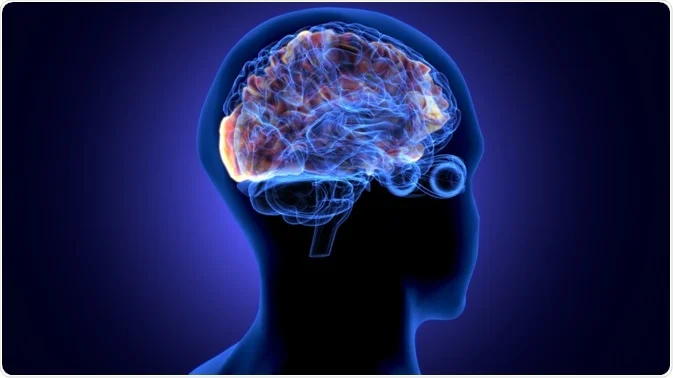
In post-menopausal women, the earliest change in the brain appears to be a fall in the amount of glucose used by the brain, indicating reduced brain activity. This is due to falling estrogen levels,…
-

Hot flashes during sleep may be an early marker of a woman’s risk for developing Alzheimer disease (AD), according to the results of a study presented at the 2023 Annual Meeting of the Menopause…
-

In the absence of estradiol, brain glucose transport diminishes significantly. This effectively starves the brain for energy inducing severe bioenergetic deficiencies with all of the concordant neuronal damage one might expect. The reduction in…
-

Women who have used hormone therapy for menopausal symptoms may be more likely to develop gastroesophageal reflux disease, or GERD, a new analysis suggests. The study, published online June 27, 2023, by the journal Menopause,…
-

Reduced levels of oestrogen and progesterone seem to be what makes post-menopausal women more likely to have symptoms of sleep apnoea, including snoring, irregular breathing or gasping at night. Middle-aged women who have lower…
-

People who have been pregnant or have breastfed a baby are less likely to experience an early menopause. This may be because ovulation is temporarily stopped during pregnancy and slowed down during breastfeeding, maintaining…
-

Social stress may release hormones that affect bone loss, a finding that might be linked to the higher incidence of bone fractures after the menopause. In a study of more than 8000 women aged…
-

What kind of hot flasher are you? The hot flash — that sudden feeling of warmth that can leave a woman flushed and drenched in sweat — has long been considered the defining symptom…
-

For some women, reaching the menopause can be one of life’s milestones, but when it will happen is a big unknown. Now a blood test can help predict when a woman’s last menstrual period…
-

I am sick to death of hearing women should focus on cardio exercise and leave strength training to men, says Dr Bernadine Jones. Rose George writes about women’s exercise plummeting (Pandemic knocked you off your…
-
Steroid hormones regulate metabolic flexibility at the level of the mitochondria. Estradiol, the most frequently studied among the steroid hormones, plays a pivotal role in determining how food fuel is converted into cellular fuel…
-

..Sometimes my own perimenopausal moods are more rage than anxiety. I woke up the other day and noticed that my husband had placed a couple of champagne corks on top of a picture frame.…
-
Women who have sex more than once a month go into menopause later. Having regular sex during the perimenopausal and menopausal period can also help make sex less painful with time because it helps…
-

A number of things can be going on with your body if you’ve started bleeding after menopause, Julian Peskin, MD, an ob-gyn at Cleveland Clinic, tells Health. But let’s be clear about one thing: It’s…
-

Menopause, despite the fact that it has happened or will happen to every single person with a vagina, is still a pretty confusing milestone—especially for those who experience it. For the most part, it’s…
-

One of the more pervasive, and frankly, annoying myths about menopausal women is that they cannot build muscle after a certain age. The argument goes that as certain hormones decline, so too does the…
-

Metabolic syndrome is a cluster of conditions that occur together, including – increased blood pressure – high blood sugar – excess body fat around the waist, and – abnormal cholesterol or triglyceride levels. Having…