

From my Substack
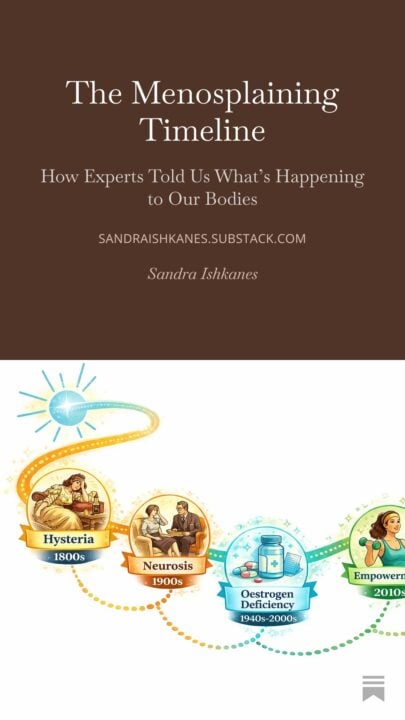
I write regularly about menopause, symptoms, biology, and the wider story women are so often not told. Some of the articles will be part of my book. If you want to go deeper into the thinking behind my work, you can start here.
Alzheimer’s disease doesn’t begin with memory loss — it begins years earlier with a slow, silent shift in your body’s stress chemistry. Long before neurons die, your brain’s hormonal balance starts to erode under constant…
A hormone made by bone, osteocalcin, helps regulate blood sugar, mood, memory and movement by acting on the brain as well as the rest of the body. In animal and human data, low osteocalcin is…
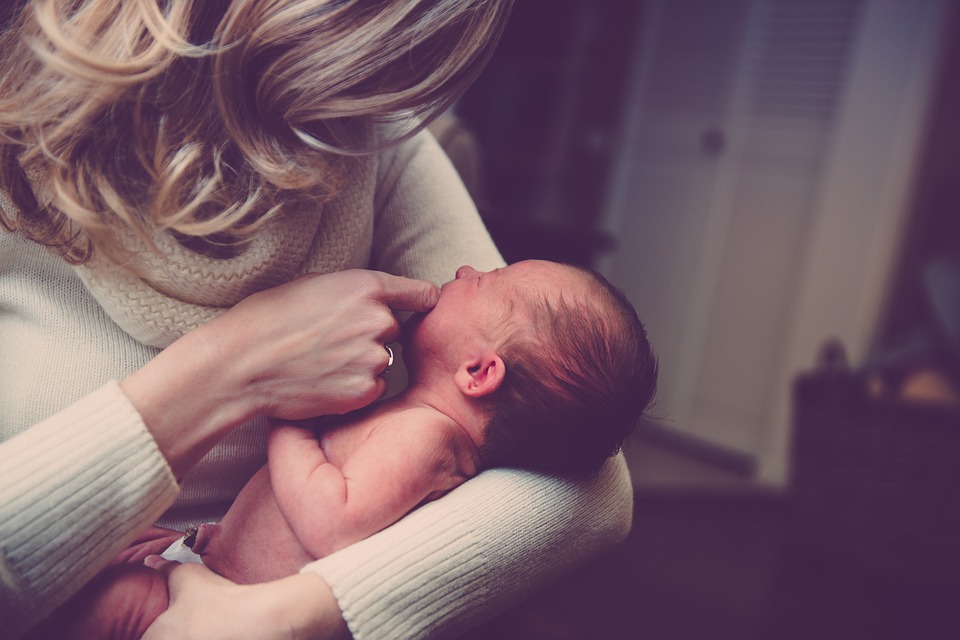
The Centre for Longitudinal Studies presented findings from more than 50,000 women participating in nine studies worldwide. The results showed women who have never given birth or been pregnant have twice the odds of reaching…
Copper has two key properties that are being exploited in consumer and medical device products in the last decade. On the one hand, copper has potent biocidal properties. On the other hand, copper is involved…
While osteoporosis and psychological stress occur via differing mechanisms, there are several potential molecular links that exist between a pathological response to stress and the development of bone disease. Although not a comprehensive list, these…
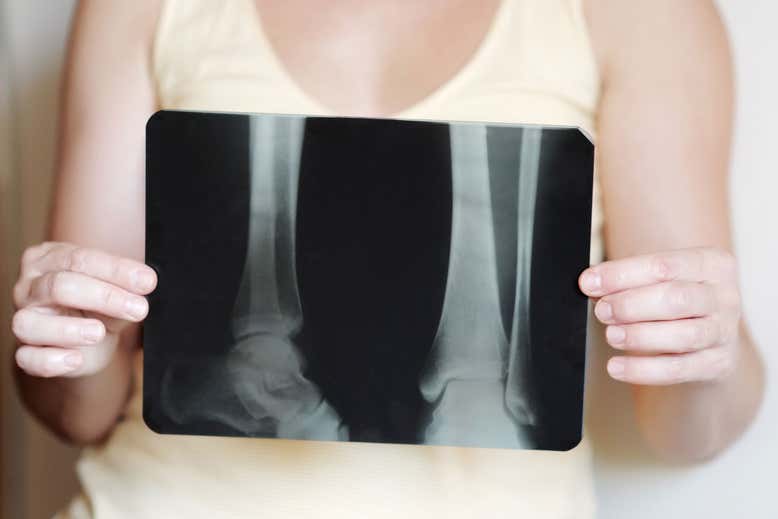
Excess glucocorticoids are well recognised as a cause of osteoporosis; they inhibit osteoblast function and increase osteoblast and osteocyte apoptosis resulting in thinning of the trabeculae. The circadian rhythm of bone turnover, which is linked…
Osteoporosis, a consequence of menopause in the biological cycle of women, emerges with the conclusion of reproductive capabi lities.Hormonal changes during this phase contribute to the development of the disease. The study evaluated the relationship…
The purpose of this study was to determine the longitudinal association between menopausal vasomotor symptoms (VMS) and urinary N-telopeptide level (NTX) according to menopausal stage. We conclude that among early perimenopausal and late perimenopausal women, those…
Objective: To determine whether women with vasomotor symptoms (VMS) have lower bone mineral density (BMD) than women without VMS. Design We analyzed data from baseline to annual follow-up visit 5 for 2213 participants in the…
Loss of estrogen results in reduced osteoblast mediated bone formation and enhanced osteoclastic resorption (Emmanuelle et al., 2021). Given the recent expansion of interest in understanding how these cellular processes are regulated via metabolic flux and bioenergetic…
Background: Osteocalcin, has high affinity for calcium. In osteoporotic women, deficiency of calcium may lead to lowering of the formation of hydroxyapatite crystals. Thus, in the state of hypo mineralization, free osteocalcin available in the circulation.…
Surprisingly little if any attention has been given to the role of copper in the aetiology of postmenopausal osteoporosis. For example, Freudenheim et al. (40). investigated relationships between usual intake of energy and 14 nutrients…
Our data reflect that the high prevalence of vitamin D and vitamin D3 deficit observed in our postmenopausal population is generally correlated with BMI, in addition to anthropometric parameters such as hip and arm circumference and…
Women who have used hormone therapy for menopausal symptoms may be more likely to develop gastroesophageal reflux disease, or GERD, a new analysis suggests. The study, published online June 27, 2023, by the journal Menopause, analyzed…
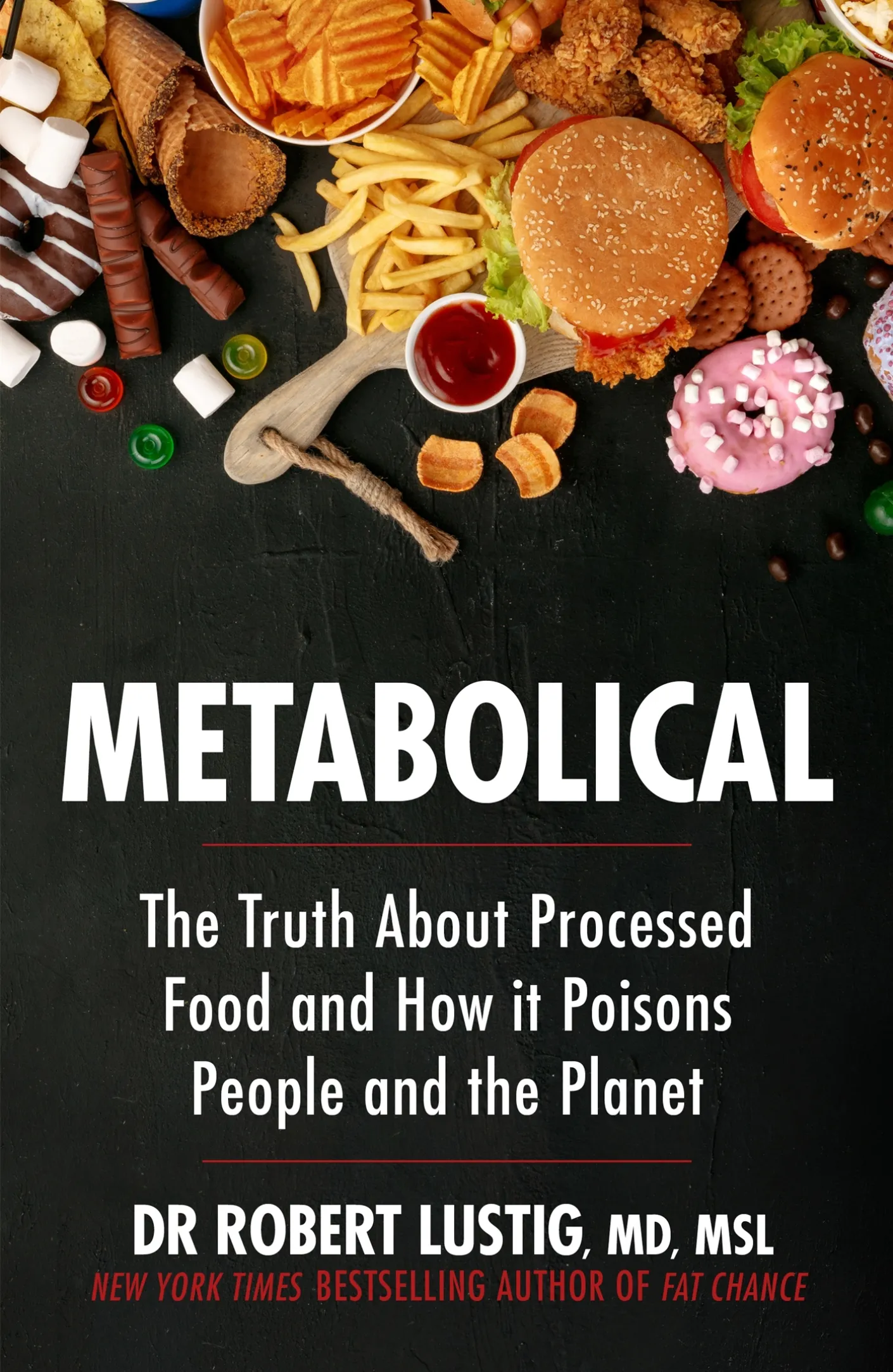
“Metabolical” by Robert Lustig is a compelling deep dive into the pitfalls of modern nutrition and healthcare systems. Lustig, a pediatric endocrinologist, exposes how processed foods, loaded with sugar and devoid of fiber, are the…
Chronic insomnia disorder is one of the most common problems in postmenopausal women, exacerbated by underdiagnosis and improper treatment. This double-blinded, randomised, placebo-controlled trial was conducted to evaluate the potential of vitamin E to treat…
Reduced levels of oestrogen and progesterone seem to be what makes post-menopausal women more likely to have symptoms of sleep apnoea, including snoring, irregular breathing or gasping at night. Middle-aged women who have lower levels…
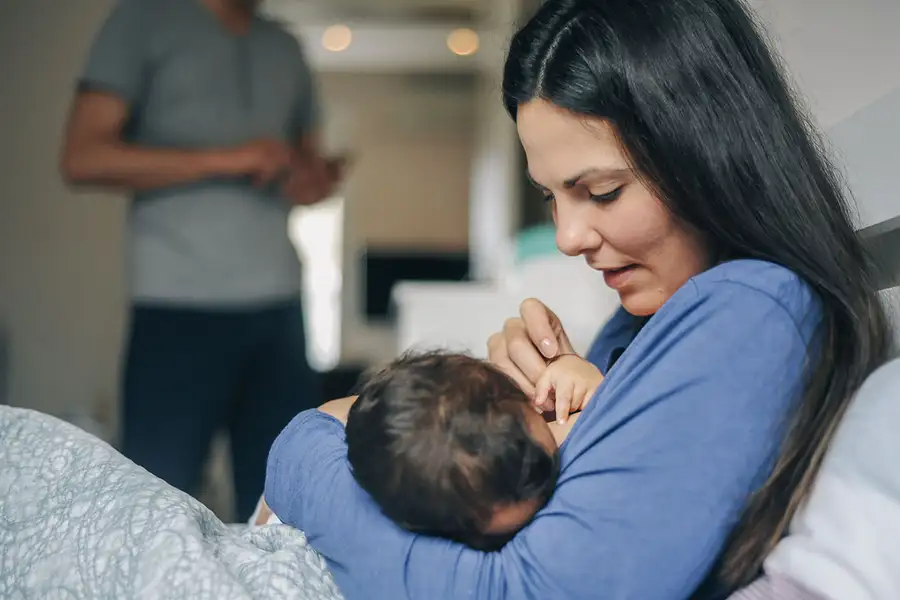
People who have been pregnant or have breastfed a baby are less likely to experience an early menopause. This may be because ovulation is temporarily stopped during pregnancy and slowed down during breastfeeding, maintaining a…
Social stress may release hormones that affect bone loss, a finding that might be linked to the higher incidence of bone fractures after the menopause. In a study of more than 8000 women aged 50…
For some women, reaching the menopause can be one of life’s milestones, but when it will happen is a big unknown. Now a blood test can help predict when a woman’s last menstrual period is…
I am sick to death of hearing women should focus on cardio exercise and leave strength training to men, says Dr Bernadine Jones. Rose George writes about women’s exercise plummeting (Pandemic knocked you off your stride?…
Women who have sex more than once a month go into menopause later. Having regular sex during the perimenopausal and menopausal period can also help make sex less painful with time because it helps keep…
A number of things can be going on with your body if you’ve started bleeding after menopause, Julian Peskin, MD, an ob-gyn at Cleveland Clinic, tells Health. But let’s be clear about one thing: It’s not…
Menopause, despite the fact that it has happened or will happen to every single person with a vagina, is still a pretty confusing milestone—especially for those who experience it. For the most part, it’s common…
One of the more pervasive, and frankly, annoying myths about menopausal women is that they cannot build muscle after a certain age. The argument goes that as certain hormones decline, so too does the ability…
Metabolic syndrome is a cluster of conditions that occur together, including – increased blood pressure – high blood sugar – excess body fat around the waist, and – abnormal cholesterol or triglyceride levels. Having just…
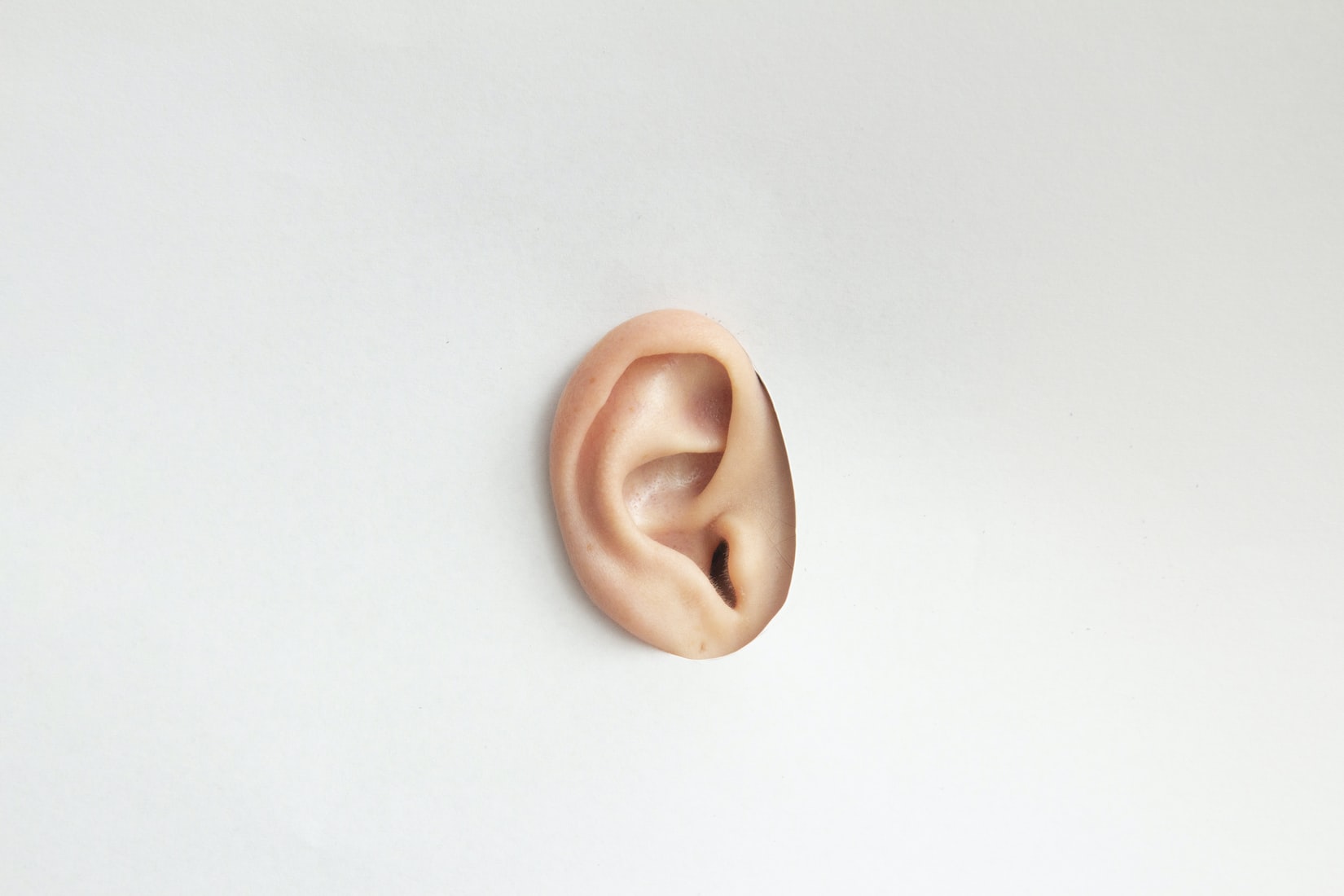
It was once thought that hearing loss in older women might be linked to loss of estrogen and progesterone following menopause and that hormone therapy might reduce that risk. Recent results from the Nurses’ Health…
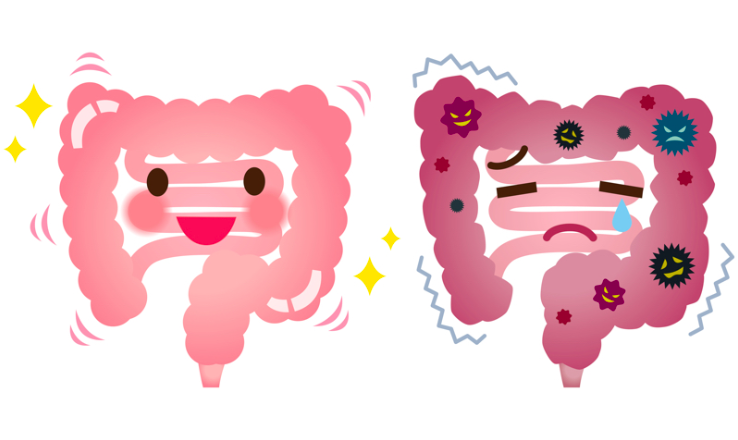
Postmenopausal women with a more diverse population of gut bacteria may be more efficient at breaking down estrogen, a new study suggests. Because estrogen plays a role in causing breast cancer, researchers speculate a healthy…
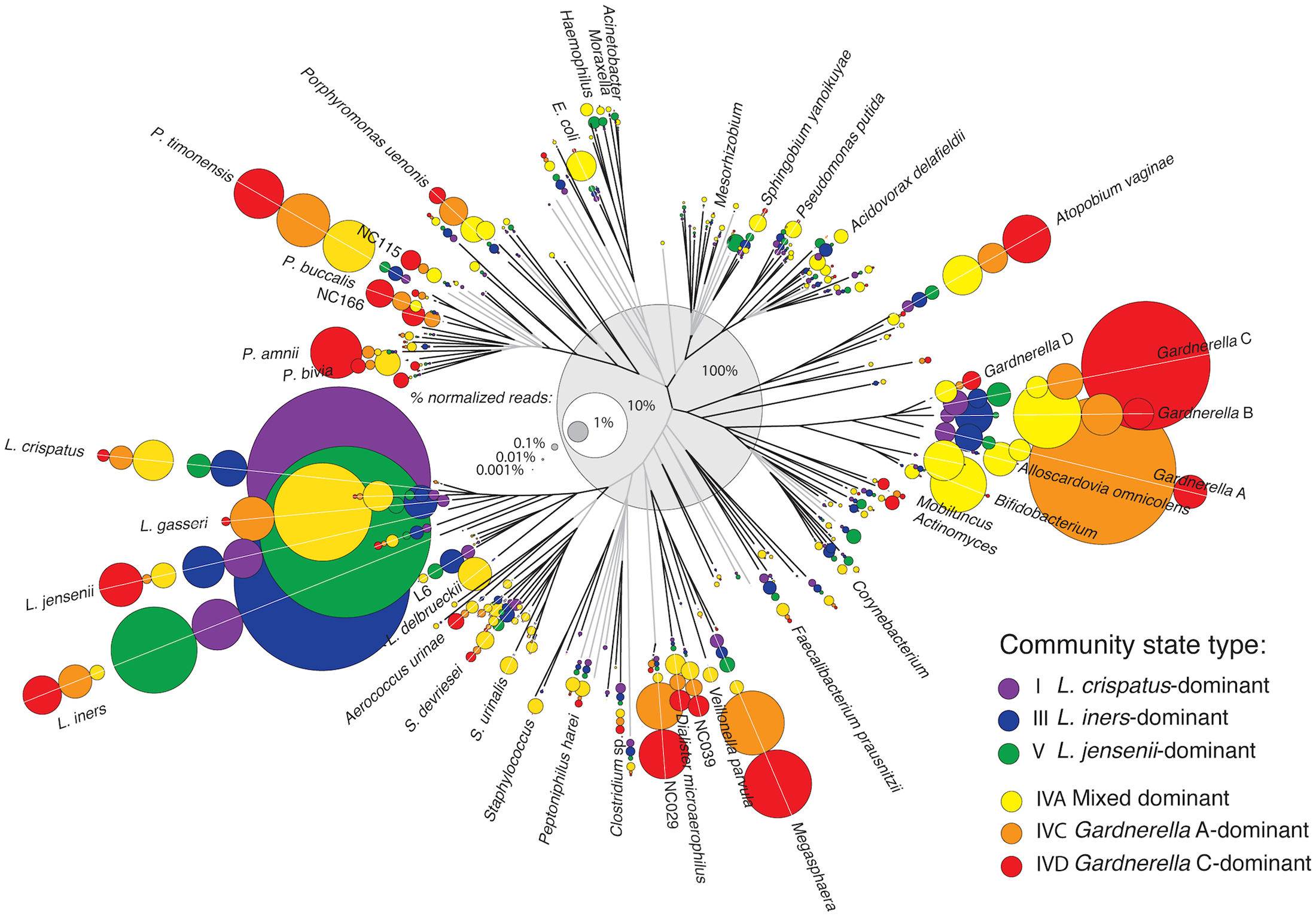
Postmenopausal vulvovaginal atrophy is associated with age-related changes in the vaginal microbiome, with a shift from Lactobacillus-dominated strains in premenopause to a predominance of anaerobic organisms, new research shows. “We have not yet identified specific interventions,…
Brain imaging and gene analyses in twins reveal that white matter integrity is linked to an iron homeostasis gene. Iron deficiency is a well-known cause of impaired cognitive, language, and motor development, but a report…
30 minutes · Free · No obligation
Not ready to book? Follow my thinking on Substack
Sandra Ishkanes Natural Menopause Specialist based in Brighton, serving clients worldwide via Online Consultations
BSc Molecular Biology (King’s College London) | DipION | Functional Medicine Practitioner
Registered member, Association of Naturopathic Practitioners (ANP) – the UK professional body for accredited naturopathic and functional medicine practitioners. ANP members hold accredited qualifications, carry professional indemnity insurance, and follow a strict code of ethics.
© 2026 Sandra Ishkanes · sandraishkanes.co.uk
Approach · Work With Me · Case Studies · Meet Sandra · Writing · Book a Discovery Call
The information provided on this website is for educational and informational purposes only and is not intended as medical advice, diagnosis, or treatment. Sandra Ishkanes is a Functional Medicine Practitioner and Molecular Biologist, not a medical doctor. Always seek the advice of your GP or other qualified healthcare provider with any questions you may have regarding a medical condition or before making any changes to your diet, lifestyle, or supplement regimen—especially if you are currently taking prescription medication or HRT. Never disregard professional medical advice or delay in seeking it because of something you have read on this website.