

What’s New in Energy Shift


  • You’re in a meeting. Or the supermarket. Or lying in bed at 2am. And suddenly, without warning, heat floods your body from the inside out. Your face burns. Sweat pricks your hairline, your chest, the…


  • You’re in a meeting. Or the supermarket. Or lying in bed at 2am. And suddenly, without warning, heat floods your body from the inside out. Your face burns. Sweat pricks your hairline, your chest, the…


  • This study looked at more than 7,000 women over 60 in the US (NHANES 2005–2020) to understand how the age at menopause relates to depression in later life, and whether inflammation and insulin resistance help explain that link.​ What the…


  • 3,000 women were followed for 10 years to ask a simple question: does the menopausal transition itself increase the risk of significant anxiety symptoms? What was done Participants were 42–52 years old at the start, pre‑…


  • This long-term study followed 233 women from before menopause to after their final period to see how different types of anxiety relate to hot flushes. Anxiety was split into two parts: somatic anxiety (physical tension symptoms such…


  • This review looks at how menopause may increase the chance of developing Alzheimer’s disease, and which biological changes might be responsible. It notes that most people with Alzheimer’s are women, that earlier menopause is linked…


  • This study followed 122 late peri‑ and postmenopausal women (average age 59) to see how their sleep relates to early brain changes that raise the risk of stroke and dementia. Each woman wore a sleep‑tracking…


  • Postmenopausal sarcopenia and Alzheimer’s disease (AD) are linked through a shared muscle–brain metabolic pathway. It highlights that women make up around two‑thirds of AD cases and that more than 60% are postmenopausal, then argues that…


  • This study used MRI and body measures from more than 19,000 people to show that brain activity does not age in a straight line but goes through sharper “turning points,” with a key shift starting…


  • An analysis of whether “moderate” alcohol intake (even within current guidelines) is linked to higher iron in the brain and, in turn, to worse cognitive performance. Using nearly 21,000 UK Biobank participants with brain MRI,…


  • Age‑related cognitive decline, including Alzheimer’s disease, can be understood as a myelin problem rather than only a “plaques and tangles” problem. Myelin is the fatty insulation around nerve fibres that makes brain signalling fast and efficient; in…


  • Researchers found key differences in inflammation and blood sugar levels after eating in post-menopausal versus pre-menopausal women. The unfavourable effect of menopause on blood sugar control, which is a key risk factor for cardiovascular disease…


  • A hormone made by bone, osteocalcin, helps regulate blood sugar, mood, memory and movement by acting on the brain as well as the rest of the body. In animal and human data, low osteocalcin is…


  • The purpose of this study was to determine the longitudinal association between menopausal vasomotor symptoms (VMS) and urinary N-telopeptide level (NTX) according to menopausal stage. We conclude that among early perimenopausal and late perimenopausal women, those…


  • Objective: To determine whether women with vasomotor symptoms (VMS) have lower bone mineral density (BMD) than women without VMS. Design We analyzed data from baseline to annual follow-up visit 5 for 2213 participants in the…


  • Loss of estrogen results in reduced osteoblast mediated bone formation and enhanced osteoclastic resorption (Emmanuelle et al., 2021). Given the recent expansion of interest in understanding how these cellular processes are regulated via metabolic flux and bioenergetic…


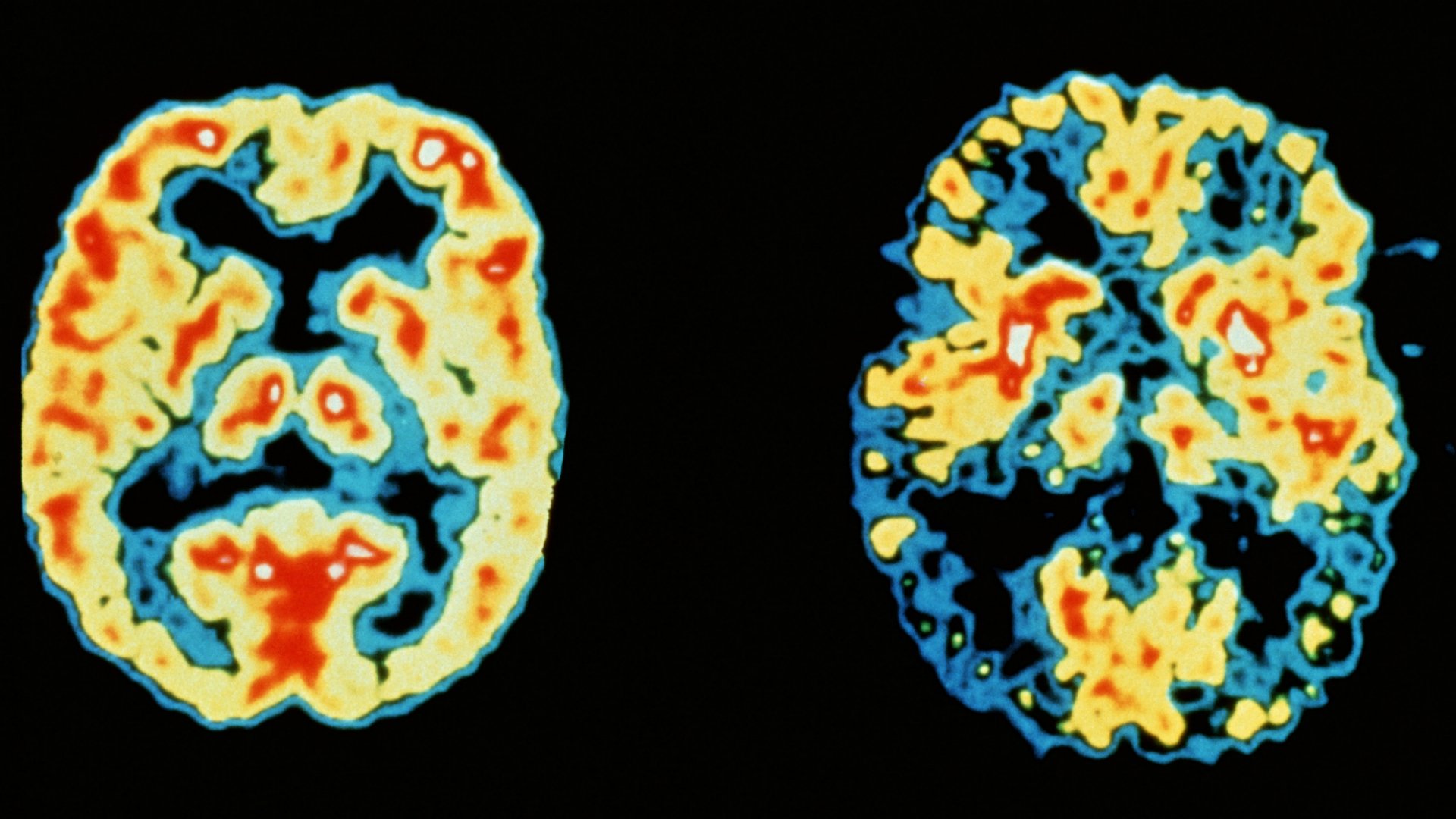
  • In post-menopausal women, the earliest change in the brain appears to be a fall in the amount of glucose used by the brain, indicating reduced brain activity. This is due to falling estrogen levels, this…


  • Hot flashes during sleep may be an early marker of a woman’s risk for developing Alzheimer disease (AD), according to the results of a study presented at the 2023 Annual Meeting of the Menopause Society…


  • A severe impairment of cognitive function characterizes dementia. Mild cognitive impairment represents a transition between normal cognition and dementia. The frequency of cognitive changes is higher in women than in men. Based on this fact,…


  • Brain hypometabolism precedes clinical signs ofAlzheimer’s disease: Frackowiak et al. (1981) found a decline in cerebral bloodflow and mean cerebral oxygen utilization, i.e., hypometabolism, which is correlated with the severity of dementia. Global oxygen extraction…


  • An experimental study was conducted in 10 postmenopausal women taking hormone therapy (HT) between the ages of 38 and 55. Following a clinic visit to screen for general health and absence of diabetes, HT participants…


  • White matter degeneration is a pathological hallmark of neurodegenerative diseases including Alzheimer’s. Age remains the greatest risk factor for Alzheimer’s and the prevalence of age-related late onset Alzheimer’s is greatest in females. We investigated mechanisms…


  • Estrogen-mediated regulation of the bioenergetic system: estrogen signalling supports and sustains glucose metabolism in the brain by regulating expression of glucose transporters, which results in increased glucose uptake, and by stimulating glucose metabolism, mitochondrial oxidative…


  • In the absence of estradiol, brain glucose transport diminishes significantly. This effectively starves the brain for energy inducing severe bioenergetic deficiencies with all of the concordant neuronal damage one might expect. The reduction in glucose…


  • Estradiol and its receptors are key players in the physiology and insulin production capacity of the β cells of pancreatic islets. Estradiol administration is associated with pancreatic islet hypertrophy and increased insulin release from the…


  • Estrogen is a fundamental regulator of the metabolic system of the female brain and body. Within the brain, estrogen regulates glucose transport, aerobic glycolysis, and mitochondrial function to generate ATP. In the body, estrogen protects…


  • This article presents a hypothesis explaining the cause of migraines, suggesting that electrolyte imbalance, specifically a lack of sufficient sodium in the extracellular space of sensory neurons, leads to failed action potentials. The author argues…


  • During perimenopause, the drop in oestrogen leads to reduced glucose metabolism and increased ketogenic (fat burning) metabolism in the brain.


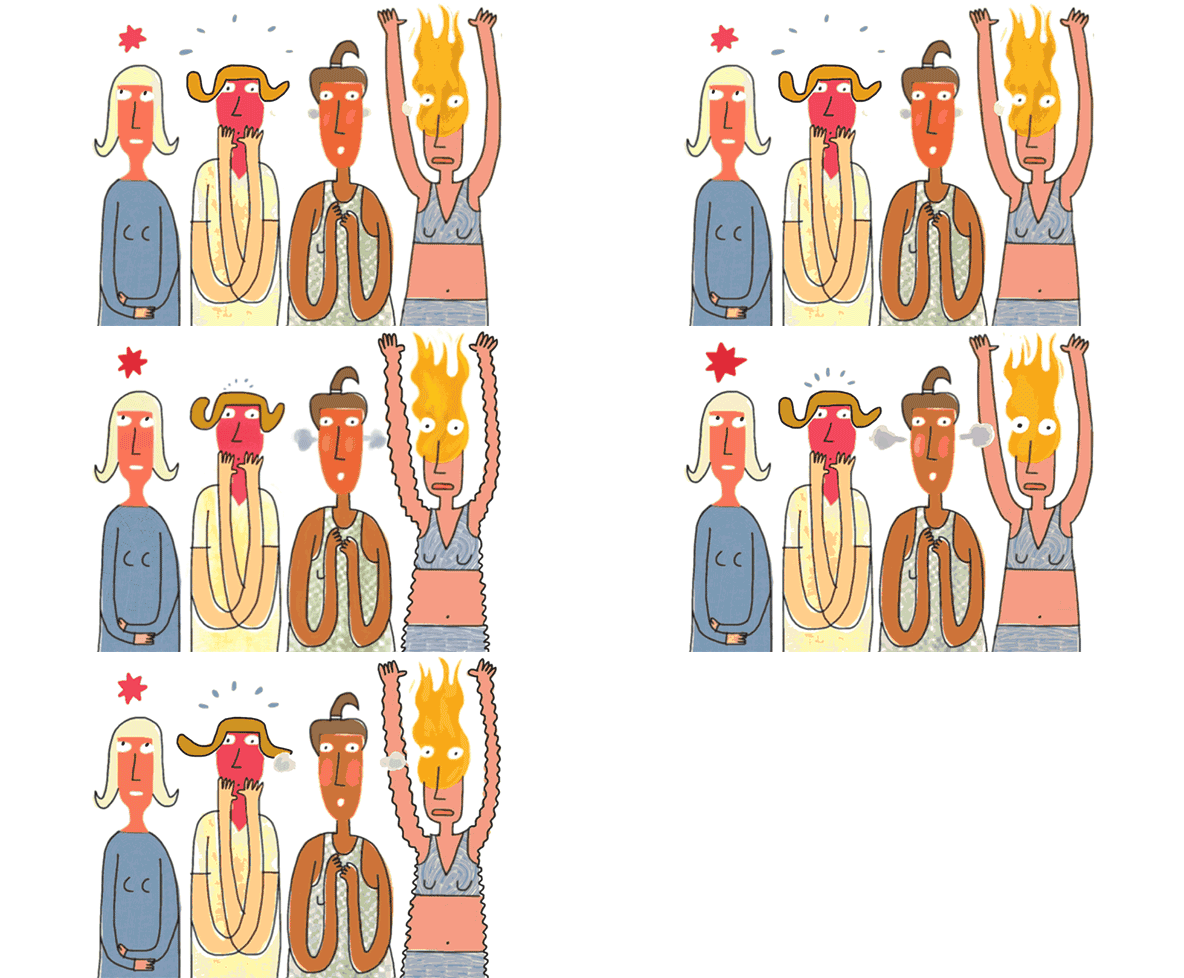
  • What kind of hot flasher are you? The hot flash — that sudden feeling of warmth that can leave a woman flushed and drenched in sweat — has long been considered the defining symptom of…


  • Steroid hormones regulate metabolic flexibility at the level of the mitochondria. Estradiol, the most frequently studied among the steroid hormones, plays a pivotal role in determining how food fuel is converted into cellular fuel or…


  • Supplementation with myo-inositol may be considered a reliable option in the treatment of metabolic syndrome in postmenopausal women. The aim of this study was to evaluate whether myo-inositol, an insulin-sensitizing substance, may improve some features…


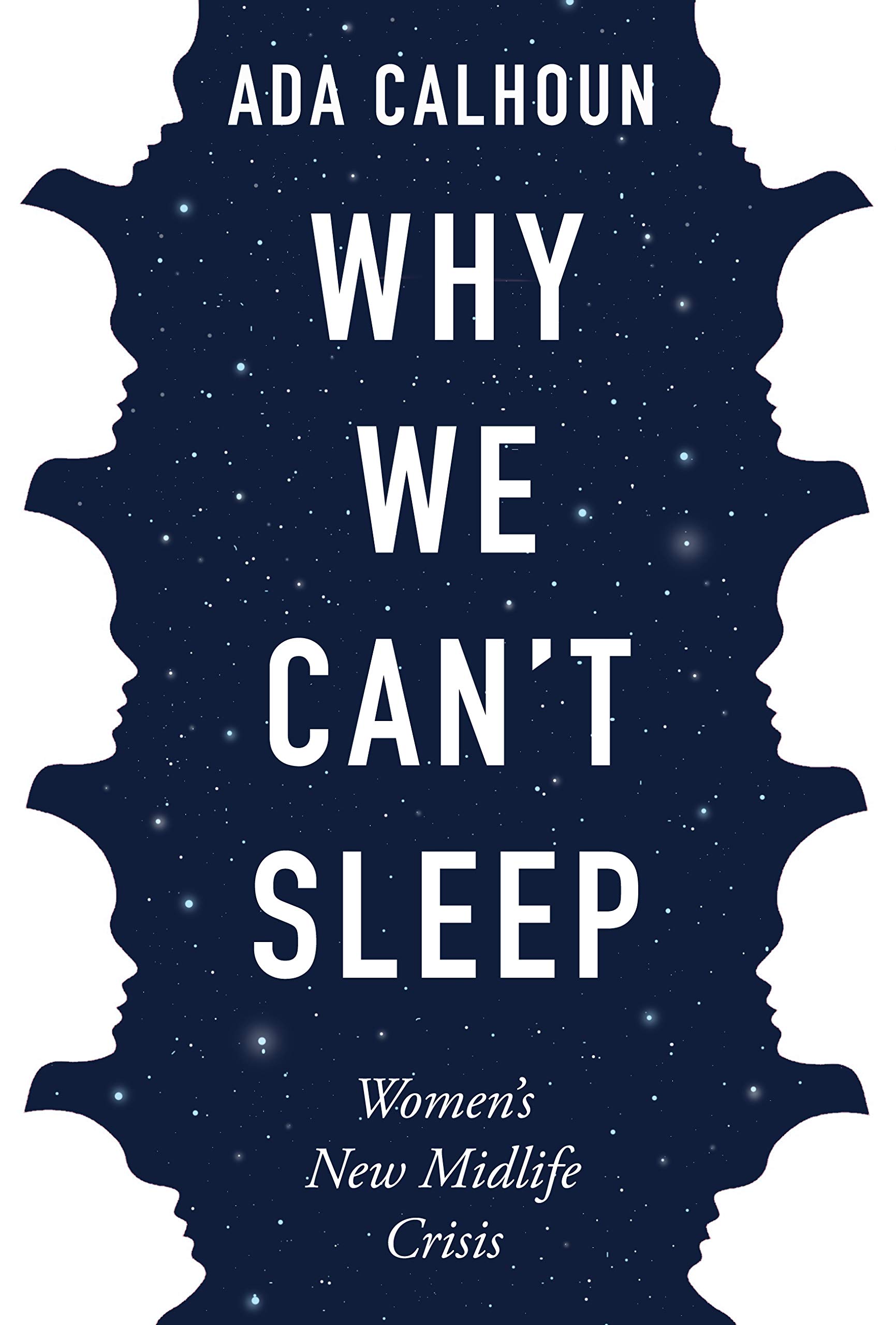
  • ‘I look at the clock… it’s 3am’: Why can’t women sleep? …A new book from the US … appears at first glance to be more of a feminist manifesto for Generation Xers than a self-help…


  • These are very real physical changes and conditions. Some symptoms alarm a woman that she may be suffering from a serious disease. Perhaps you know the more common ones related to menopausal symptoms in this…


  • Metabolic syndrome is a cluster of conditions that occur together, including – increased blood pressure – high blood sugar – excess body fat around the waist, and – abnormal cholesterol or triglyceride levels. Having just…


  • White matter hyperintesities are areas of the brain where damage has occurred to the neurons. These areas are associated with peri/menopausal hot flushes because the brain is starved of energy and is cannibalising itself for…


  • ‘They are not mentally ill, antidepressants are not appropriate. Once they have the label, it doesn’t help them,’ says expert. Hot flushes and night sweats are the most well-known symptoms in peri/menopause, but the most…


  • Postmenopausal women can fight off hot flashes and night sweats by pumping iron, a new clinical trial shows. “Resistance training is already recommended for all women always, but now we can see it may be…


  • We tend to think that a loss of mental acuity is just part of getting older — but age is not the only contributing factor to cognitive decline. Our lifestyle also plays a key role.…


  • Hot flashes, undoubtedly the most common symptom of menopause, are not just uncomfortable and inconvenient, but numerous studies demonstrate they may increase the risk of serious health problems, including heart disease. A new study suggests…


  • If you feel as though you can’t do as much physically as you’ve gotten older, there may be a reason. Both aging and menopause are known to affect sarcopenia, which is a loss of muscle…


  • A new study of more than 2,000 perimenopausal and menopausal women showed that moderate-severe vasomotor symptoms (hot flashes or night sweats) were an independent and significant risk factor for moderate-severe depression. Researchers explored the controversial…


  • Almost 4,000 women in the UK undergo operations each year to remove their ovaries. The procedure, which triggers the menopause, is often carried out on younger women to prevent cancer. But now scientists from Toronto University…


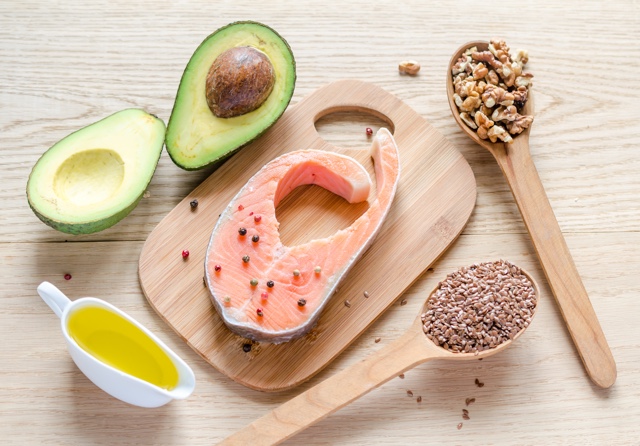
  • The therapeutic benefits of omega-3 fatty acids – which are abundant in certain fish oils – have long been known. In the 1950s, upon the discovery that omega-3 improves brain development, cod liver oil was…


  • Overweight women who experience hot flashes—the uncomfortable flushing and sweating spells that accompany menopause—may be able to cool those symptoms by losing weight, a new study suggests. “If you’re a woman who is overweight or obese, you…


  • More forgetful? Not thinking as clearly? Simple arithmetic coming more slowly? Worried that mental functions are worsening? Are the processes of ageing catching up? There is much that can be done to prevent worsening mental…

From my Substack

I write regularly about menopause, symptoms, biology, and the wider story women are so often not told. If you want to go deeper into the thinking behind my work, you can start here.

Book a discovery call and in 30 minutes you can:

30 minutes · Free · No obligation

Not ready to book? Follow my thinking on Substack


Sandra Ishkanes  Natural Menopause Specialist based in Brighton, serving clients worldwide via Online Consultations   
BSc Molecular Biology (King’s College London) | DipION | Functional Medicine Practitioner
Registered member, Association of Naturopathic Practitioners (ANP) – the UK professional body for accredited naturopathic and functional medicine practitioners. ANP members hold accredited qualifications, carry professional indemnity insurance, and follow a strict code of ethics.

© 2026 Sandra Ishkanes  ·  sandraishkanes.co.uk

Approach  ·  Work With Me  ·  Case Studies  ·  Meet Sandra  ·  Writing  ·  Book a Discovery Call

The information provided on this website is for educational and informational purposes only and is not intended as medical advice, diagnosis, or treatment. Sandra Ishkanes is a Functional Medicine Practitioner and Molecular Biologist, not a medical doctor. Always seek the advice of your GP or other qualified healthcare provider with any questions you may have regarding a medical condition or before making any changes to your diet, lifestyle, or supplement regimen—especially if you are currently taking prescription medication or HRT. Never disregard professional medical advice or delay in seeking it because of something you have read on this website.