What’s New in Dementia
-
This study followed 122 late peri‑ and postmenopausal women (average age 59) to see how their sleep relates to early brain changes that raise the risk of stroke and dementia. Each woman wore a sleep‑tracking…
-
Age‑related cognitive decline, including Alzheimer’s disease, can be understood as a myelin problem rather than only a “plaques and tangles” problem. Myelin is the fatty insulation around nerve fibres that makes brain signalling fast and efficient; in…
-
Hot flashes during sleep may be an early marker of a woman’s risk for developing Alzheimer disease (AD), according to the results of a study presented at the 2023 Annual Meeting of the Menopause Society…
-
A severe impairment of cognitive function characterizes dementia. Mild cognitive impairment represents a transition between normal cognition and dementia. The frequency of cognitive changes is higher in women than in men. Based on this fact,…
-
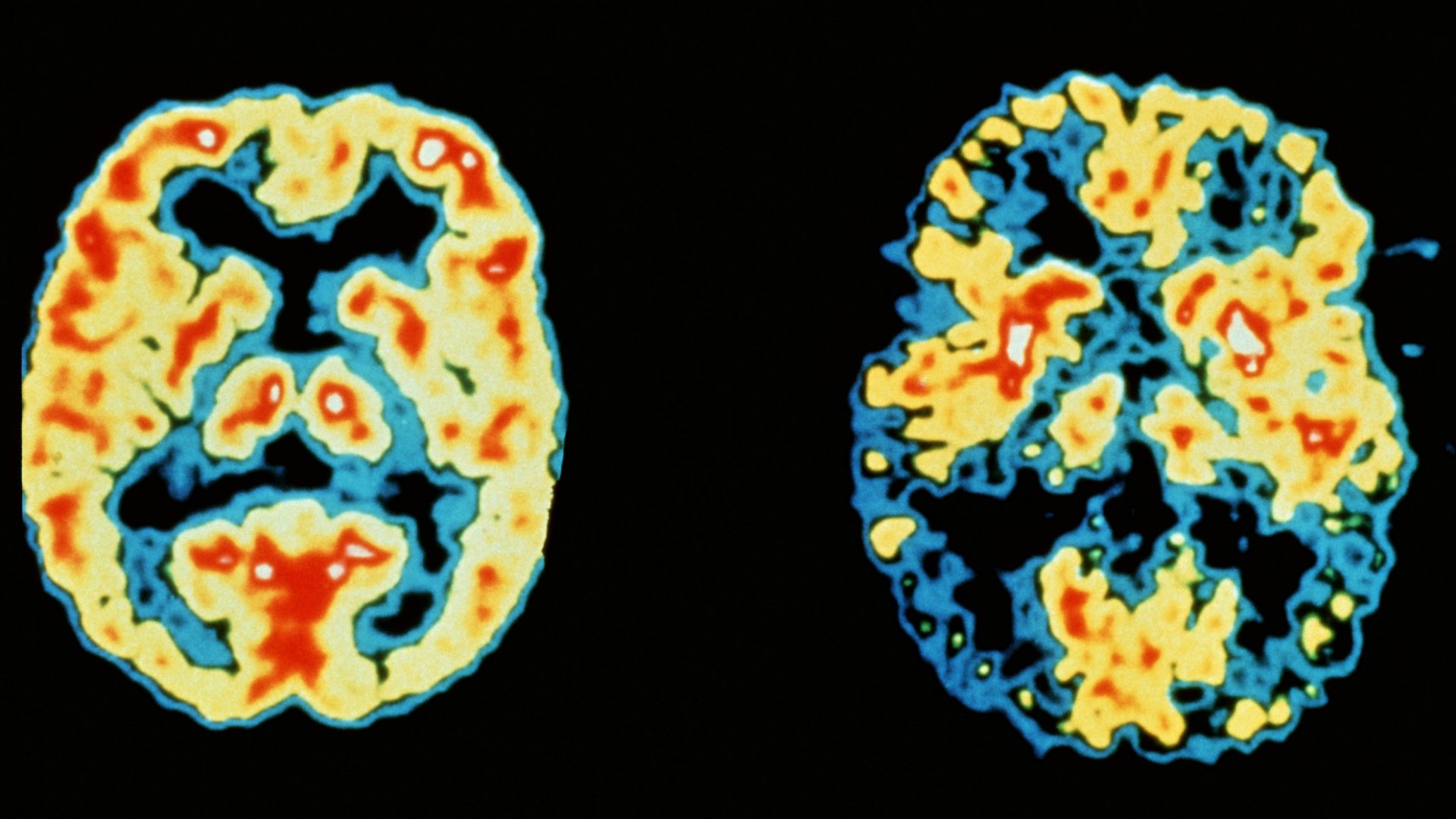
Brain hypometabolism precedes clinical signs ofAlzheimer’s disease: Frackowiak et al. (1981) found a decline in cerebral bloodflow and mean cerebral oxygen utilization, i.e., hypometabolism, which is correlated with the severity of dementia. Global oxygen extraction…
-
White matter degeneration is a pathological hallmark of neurodegenerative diseases including Alzheimer’s. Age remains the greatest risk factor for Alzheimer’s and the prevalence of age-related late onset Alzheimer’s is greatest in females. We investigated mechanisms…
-
Estrogen-mediated regulation of the bioenergetic system: estrogen signalling supports and sustains glucose metabolism in the brain by regulating expression of glucose transporters, which results in increased glucose uptake, and by stimulating glucose metabolism, mitochondrial oxidative…
-
During perimenopause, the drop in oestrogen leads to reduced glucose metabolism and increased ketogenic (fat burning) metabolism in the brain.
-
White matter hyperintesities are areas of the brain where damage has occurred to the neurons. These areas are associated with peri/menopausal hot flushes because the brain is starved of energy and is cannibalising itself for…
-
We tend to think that a loss of mental acuity is just part of getting older — but age is not the only contributing factor to cognitive decline. Our lifestyle also plays a key role.…
-
Almost 4,000 women in the UK undergo operations each year to remove their ovaries. The procedure, which triggers the menopause, is often carried out on younger women to prevent cancer. But now scientists from Toronto University…