
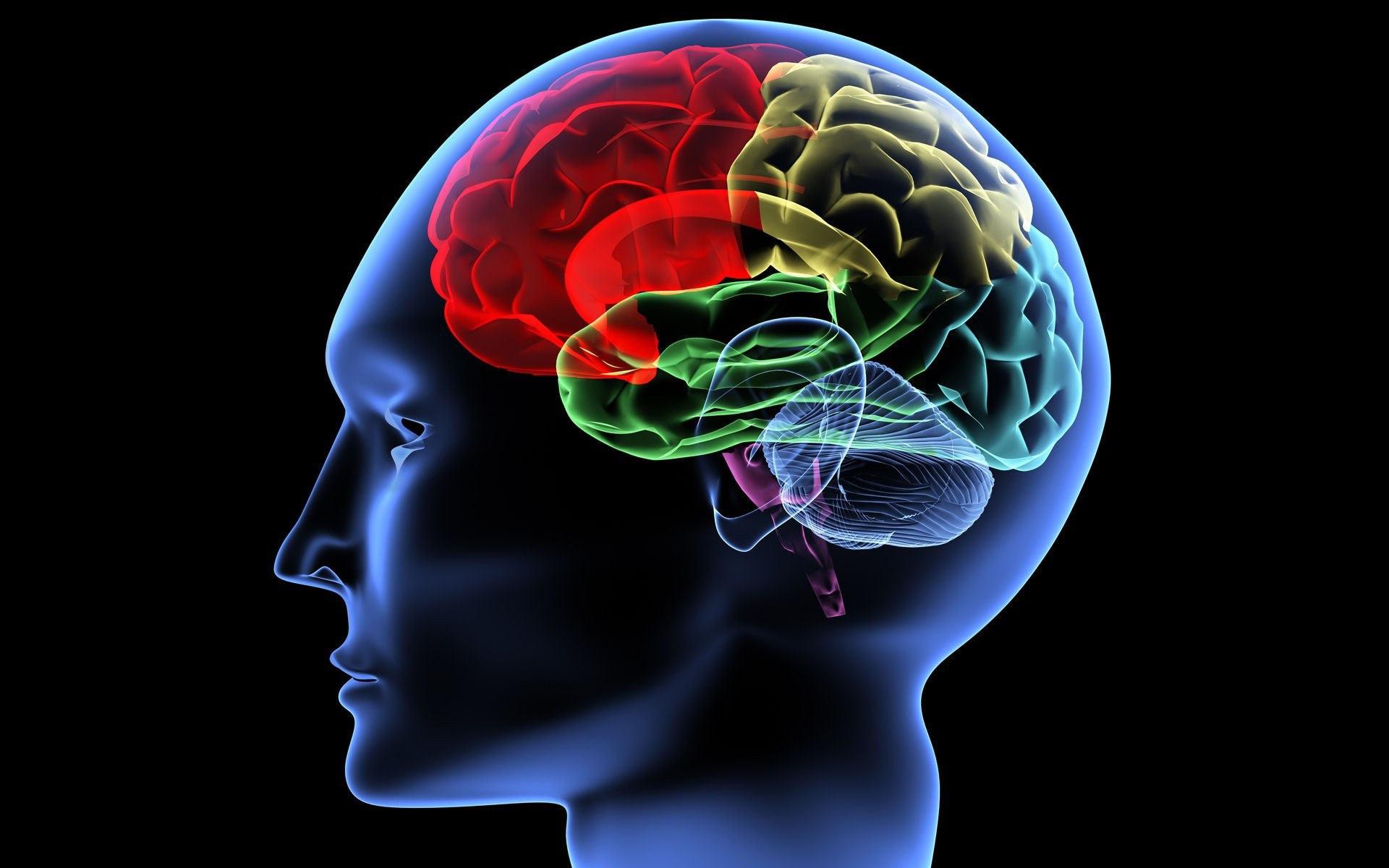
What’s New in Brain


  • This review looks at how menopause may increase the chance of developing Alzheimer’s disease, and which biological changes might be responsible. It notes that most people with Alzheimer’s are women, that earlier menopause is linked…


  • This study followed 122 late peri‑ and postmenopausal women (average age 59) to see how their sleep relates to early brain changes that raise the risk of stroke and dementia. Each woman wore a sleep‑tracking…


  • This study used MRI and body measures from more than 19,000 people to show that brain activity does not age in a straight line but goes through sharper “turning points,” with a key shift starting…


  • An analysis of whether “moderate” alcohol intake (even within current guidelines) is linked to higher iron in the brain and, in turn, to worse cognitive performance. Using nearly 21,000 UK Biobank participants with brain MRI,…


  • A hormone made by bone, osteocalcin, helps regulate blood sugar, mood, memory and movement by acting on the brain as well as the rest of the body. In animal and human data, low osteocalcin is…


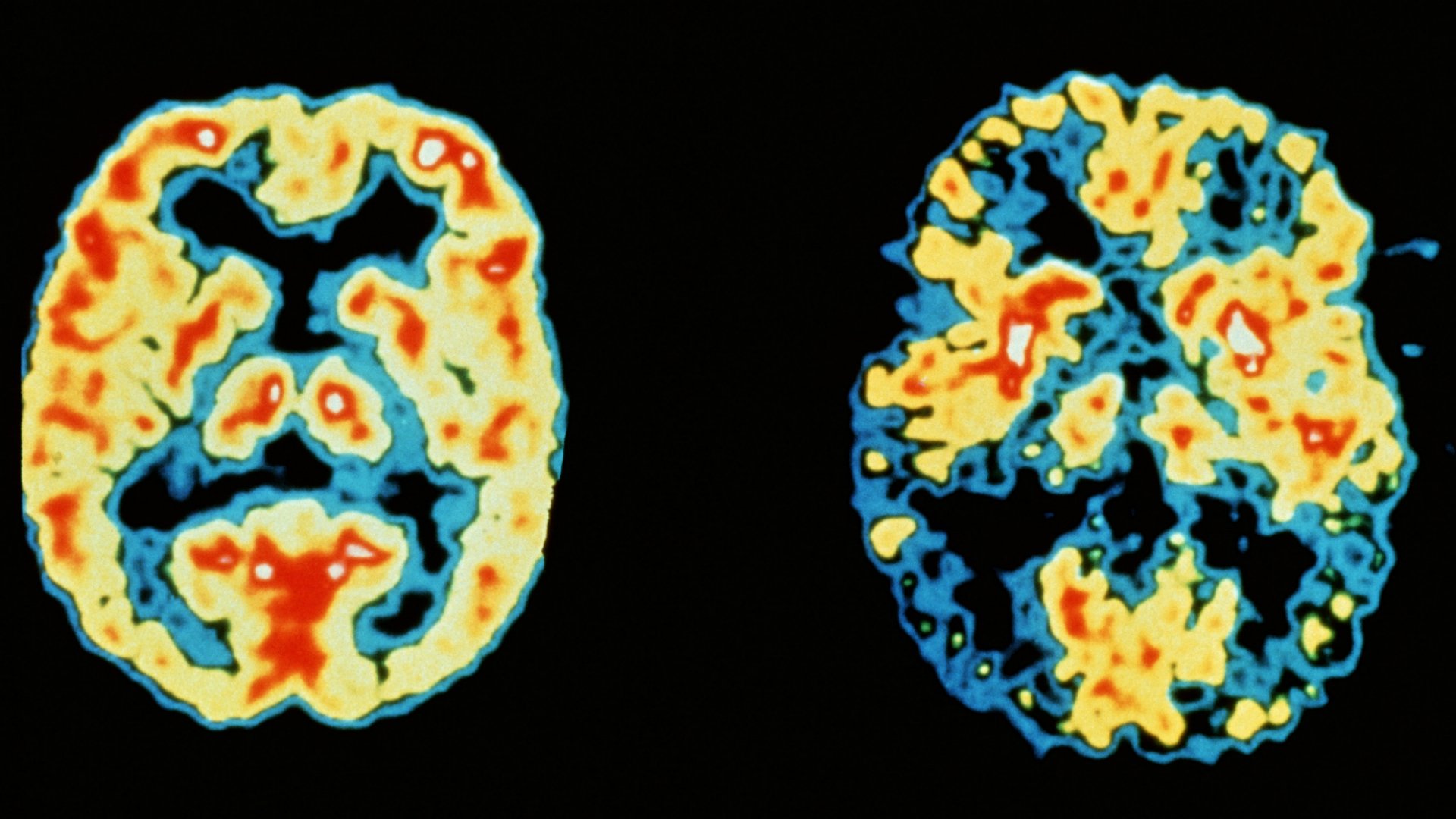
  • In post-menopausal women, the earliest change in the brain appears to be a fall in the amount of glucose used by the brain, indicating reduced brain activity. This is due to falling estrogen levels, this…


  • Hot flashes during sleep may be an early marker of a woman’s risk for developing Alzheimer disease (AD), according to the results of a study presented at the 2023 Annual Meeting of the Menopause Society…


  • A severe impairment of cognitive function characterizes dementia. Mild cognitive impairment represents a transition between normal cognition and dementia. The frequency of cognitive changes is higher in women than in men. Based on this fact,…


  • White matter degeneration is a pathological hallmark of neurodegenerative diseases including Alzheimer’s. Age remains the greatest risk factor for Alzheimer’s and the prevalence of age-related late onset Alzheimer’s is greatest in females. We investigated mechanisms…


  • Estrogen-mediated regulation of the bioenergetic system: estrogen signalling supports and sustains glucose metabolism in the brain by regulating expression of glucose transporters, which results in increased glucose uptake, and by stimulating glucose metabolism, mitochondrial oxidative…


  • In the absence of estradiol, brain glucose transport diminishes significantly. This effectively starves the brain for energy inducing severe bioenergetic deficiencies with all of the concordant neuronal damage one might expect. The reduction in glucose…


  • Estradiol and its receptors are key players in the physiology and insulin production capacity of the β cells of pancreatic islets. Estradiol administration is associated with pancreatic islet hypertrophy and increased insulin release from the…


  • Estrogen is a fundamental regulator of the metabolic system of the female brain and body. Within the brain, estrogen regulates glucose transport, aerobic glycolysis, and mitochondrial function to generate ATP. In the body, estrogen protects…


  • During perimenopause, the drop in oestrogen leads to reduced glucose metabolism and increased ketogenic (fat burning) metabolism in the brain.


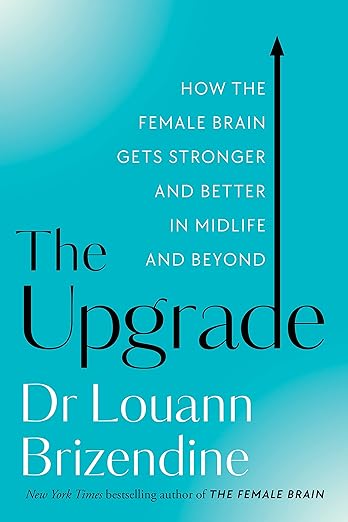
  • Coming across Louann Brizendine’s book about menopause was a moment of sheer joy. The Upgrade – which is exactly how I see menopause – links the physical metabolic changes that declining oestrogen brings, to the…


  • White matter hyperintesities are areas of the brain where damage has occurred to the neurons. These areas are associated with peri/menopausal hot flushes because the brain is starved of energy and is cannibalising itself for…


  • ‘They are not mentally ill, antidepressants are not appropriate. Once they have the label, it doesn’t help them,’ says expert. Hot flushes and night sweats are the most well-known symptoms in peri/menopause, but the most…


  • We tend to think that a loss of mental acuity is just part of getting older — but age is not the only contributing factor to cognitive decline. Our lifestyle also plays a key role.…


  • Almost 4,000 women in the UK undergo operations each year to remove their ovaries. The procedure, which triggers the menopause, is often carried out on younger women to prevent cancer. But now scientists from Toronto University…


  • Brain imaging and gene analyses in twins reveal that white matter integrity is linked to an iron homeostasis gene. Iron deficiency is a well-known cause of impaired cognitive, language, and motor development, but a report…


  • More forgetful? Not thinking as clearly? Simple arithmetic coming more slowly? Worried that mental functions are worsening? Are the processes of ageing catching up? There is much that can be done to prevent worsening mental…

From my Substack

I write regularly about menopause, symptoms, biology, and the wider story women are so often not told. If you want to go deeper into the thinking behind my work, you can start here.

Book a discovery call and in 30 minutes you can:

30 minutes · Free · No obligation

Not ready to book? Follow my thinking on Substack


Sandra Ishkanes  Natural Menopause Specialist based in Brighton, serving clients worldwide via Online Consultations   
BSc Molecular Biology (King’s College London) | DipION | Functional Medicine Practitioner
Registered member, Association of Naturopathic Practitioners (ANP) – the UK professional body for accredited naturopathic and functional medicine practitioners. ANP members hold accredited qualifications, carry professional indemnity insurance, and follow a strict code of ethics.

© 2026 Sandra Ishkanes  ·  sandraishkanes.co.uk

Approach  ·  Work With Me  ·  Case Studies  ·  Meet Sandra  ·  Writing  ·  Book a Discovery Call

The information provided on this website is for educational and informational purposes only and is not intended as medical advice, diagnosis, or treatment. Sandra Ishkanes is a Functional Medicine Practitioner and Molecular Biologist, not a medical doctor. Always seek the advice of your GP or other qualified healthcare provider with any questions you may have regarding a medical condition or before making any changes to your diet, lifestyle, or supplement regimen—especially if you are currently taking prescription medication or HRT. Never disregard professional medical advice or delay in seeking it because of something you have read on this website.