

What’s New in Nutrition and supplements


  • Researchers found key differences in inflammation and blood sugar levels after eating in post-menopausal versus pre-menopausal women. The unfavourable effect of menopause on blood sugar control, which is a key risk factor for cardiovascular disease…


  • Copper has two key properties that are being exploited in consumer and medical device products in the last decade. On the one hand, copper has potent biocidal properties. On the other hand, copper is involved…


  • Surprisingly little if any attention has been given to the role of copper in the aetiology of postmenopausal osteoporosis. For example, Freudenheim et al. (40). investigated relationships between usual intake of energy and 14 nutrients…


  • Chronic insomnia disorder is one of the most common problems in postmenopausal women, exacerbated by underdiagnosis and improper treatment. This double-blinded, randomised, placebo-controlled trial was conducted to evaluate the potential of vitamin E to treat…


  • Rhodiola rosea extracts have been shown to enhance mood, cognitive function, and memory. Moreover, these extracts possess anti-stress, neuroprotective, cardiovascular-protective, and anticarcinogenic properties, which are particularly valuable to counteract some of the common health risks…


  • Supplementation with myo-inositol may be considered a reliable option in the treatment of metabolic syndrome in postmenopausal women. The aim of this study was to evaluate whether myo-inositol, an insulin-sensitizing substance, may improve some features…


  • Metabolic syndrome is a cluster of conditions that occur together, including – increased blood pressure – high blood sugar – excess body fat around the waist, and – abnormal cholesterol or triglyceride levels. Having just…


  • We tend to think that a loss of mental acuity is just part of getting older — but age is not the only contributing factor to cognitive decline. Our lifestyle also plays a key role.…


  • If you feel as though you can’t do as much physically as you’ve gotten older, there may be a reason. Both aging and menopause are known to affect sarcopenia, which is a loss of muscle…


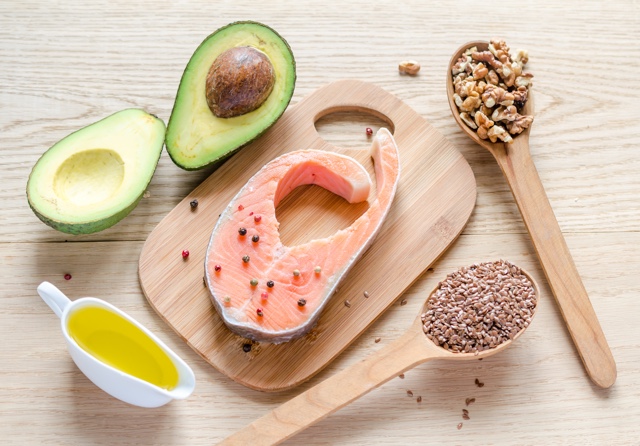
  • The therapeutic benefits of omega-3 fatty acids – which are abundant in certain fish oils – have long been known. In the 1950s, upon the discovery that omega-3 improves brain development, cod liver oil was…


  • Brain imaging and gene analyses in twins reveal that white matter integrity is linked to an iron homeostasis gene. Iron deficiency is a well-known cause of impaired cognitive, language, and motor development, but a report…


  • More forgetful? Not thinking as clearly? Simple arithmetic coming more slowly? Worried that mental functions are worsening? Are the processes of ageing catching up? There is much that can be done to prevent worsening mental…

From my Substack

I write regularly about menopause, symptoms, biology, and the wider story women are so often not told. If you want to go deeper into the thinking behind my work, you can start here.

Book a discovery call and in 30 minutes you can:

30 minutes · Free · No obligation

Not ready to book? Follow my thinking on Substack


Sandra Ishkanes  Natural Menopause Specialist based in Brighton, serving clients worldwide via Online Consultations   
BSc Molecular Biology (King’s College London) | DipION | Functional Medicine Practitioner
Registered member, Association of Naturopathic Practitioners (ANP) – the UK professional body for accredited naturopathic and functional medicine practitioners. ANP members hold accredited qualifications, carry professional indemnity insurance, and follow a strict code of ethics.

© 2026 Sandra Ishkanes  ·  sandraishkanes.co.uk

Approach  ·  Work With Me  ·  Case Studies  ·  Meet Sandra  ·  Writing  ·  Book a Discovery Call

The information provided on this website is for educational and informational purposes only and is not intended as medical advice, diagnosis, or treatment. Sandra Ishkanes is a Functional Medicine Practitioner and Molecular Biologist, not a medical doctor. Always seek the advice of your GP or other qualified healthcare provider with any questions you may have regarding a medical condition or before making any changes to your diet, lifestyle, or supplement regimen—especially if you are currently taking prescription medication or HRT. Never disregard professional medical advice or delay in seeking it because of something you have read on this website.