Sleep apnoea symptoms in post-menopausal women linked to low oestrogen
Reduced levels of oestrogen and progesterone seem to be what makes post-menopausal women more likely to have symptoms of sleep apnoea, including snoring, irregular breathing or gasping at night.
Middle-aged women who have lower levels of oestrogen and progesterone are more likely to snore, breathe irregularly and gasp while sleeping, which are all symptoms of sleep apnoea.
The involvement of these chemicals means targeted hormone therapy might prove useful for post-menopausal women, says Kai Triebner at the University of Bergen in Norway.
“Women live, on average, longer than men, but during later years, the quality of women’s life is comparatively low, which is inherently associated with their [low-oestrogen] hormone profile,” says Triebner. “Snoring and sleep-related breathing problems add to the burden.”
His team interviewed 774 women aged between 40 and 67 years old, mostly white, living in seven European countries about their respiratory health and lifestyles. The team also carried out clinical exams and took blood samples. The women, some of whom hadn’t yet reached menopause, completed questionnaires about their sleep habits and health. The study didn’t include pre or post-menopausal trans men.
Nearly half the women reported that they had a “disturbing snore”, says Triebner. In addition, 14 per cent had irregular breathing and 13 per cent gasped while sleeping.
Blood analyses revealed that the participants’ oestrogen and progesterone levels varied widely, ranging from just a few units per litre in some women to tens of thousands of units per litre in others. Those variations had clear associations with sleep apnoea, he says. As the levels of oestrone – a kind of oestrogen – doubled, women were 19 per cent less likely to snore. And as progesterone levels doubled, women were 9 per cent less likely to snore.
Within the group of women who snored, there was a 20 per cent drop in the chances of having irregular breathing as oestrogen levels doubled. And a doubling in progesterone levels was linked to a 12 per cent lower likelihood of waking up feeling like they are choking.
PLoS One DOI: 10.1371/journal.pone.0269569
MORE FROM the journal
-

Alzheimer’s disease doesn’t begin with memory loss — it begins years earlier with a slow, silent shift in your body’s stress chemistry. Long before neurons die, your brain’s hormonal balance starts to erode under…
-

Researchers found key differences in inflammation and blood sugar levels after eating in post-menopausal versus pre-menopausal women. The unfavourable effect of menopause on blood sugar control, which is a key risk factor for cardiovascular…
-

The Centre for Longitudinal Studies presented findings from more than 50,000 women participating in nine studies worldwide. The results showed women who have never given birth or been pregnant have twice the odds of…
-

Only humans and a few toothed whales undergo the menopause, many sources will tell you. But a paper by Ivana Winkler and Angela Goncalves at the German Cancer Research Center claims that the menopause is, in fact,…
-
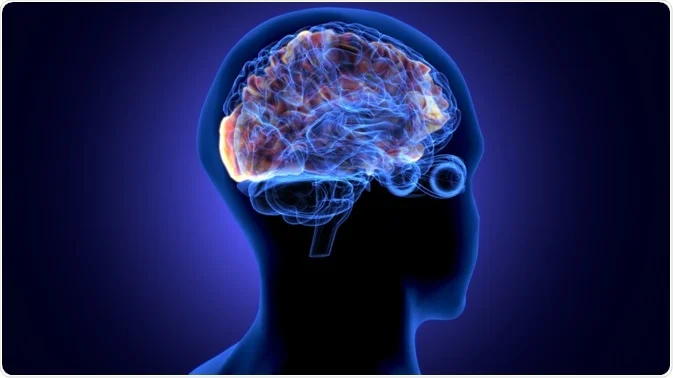
In post-menopausal women, the earliest change in the brain appears to be a fall in the amount of glucose used by the brain, indicating reduced brain activity. This is due to falling estrogen levels,…
-

Hot flashes during sleep may be an early marker of a woman’s risk for developing Alzheimer disease (AD), according to the results of a study presented at the 2023 Annual Meeting of the Menopause…
-

In the absence of estradiol, brain glucose transport diminishes significantly. This effectively starves the brain for energy inducing severe bioenergetic deficiencies with all of the concordant neuronal damage one might expect. The reduction in…
-
Women who have used hormone therapy for menopausal symptoms may be more likely to develop gastroesophageal reflux disease, or GERD, a new analysis suggests. The study, published online June 27, 2023, by the journal Menopause,…
-

Reduced levels of oestrogen and progesterone seem to be what makes post-menopausal women more likely to have symptoms of sleep apnoea, including snoring, irregular breathing or gasping at night. Middle-aged women who have lower…
-

People who have been pregnant or have breastfed a baby are less likely to experience an early menopause. This may be because ovulation is temporarily stopped during pregnancy and slowed down during breastfeeding, maintaining…
-
Social stress may release hormones that affect bone loss, a finding that might be linked to the higher incidence of bone fractures after the menopause. In a study of more than 8000 women aged…
-
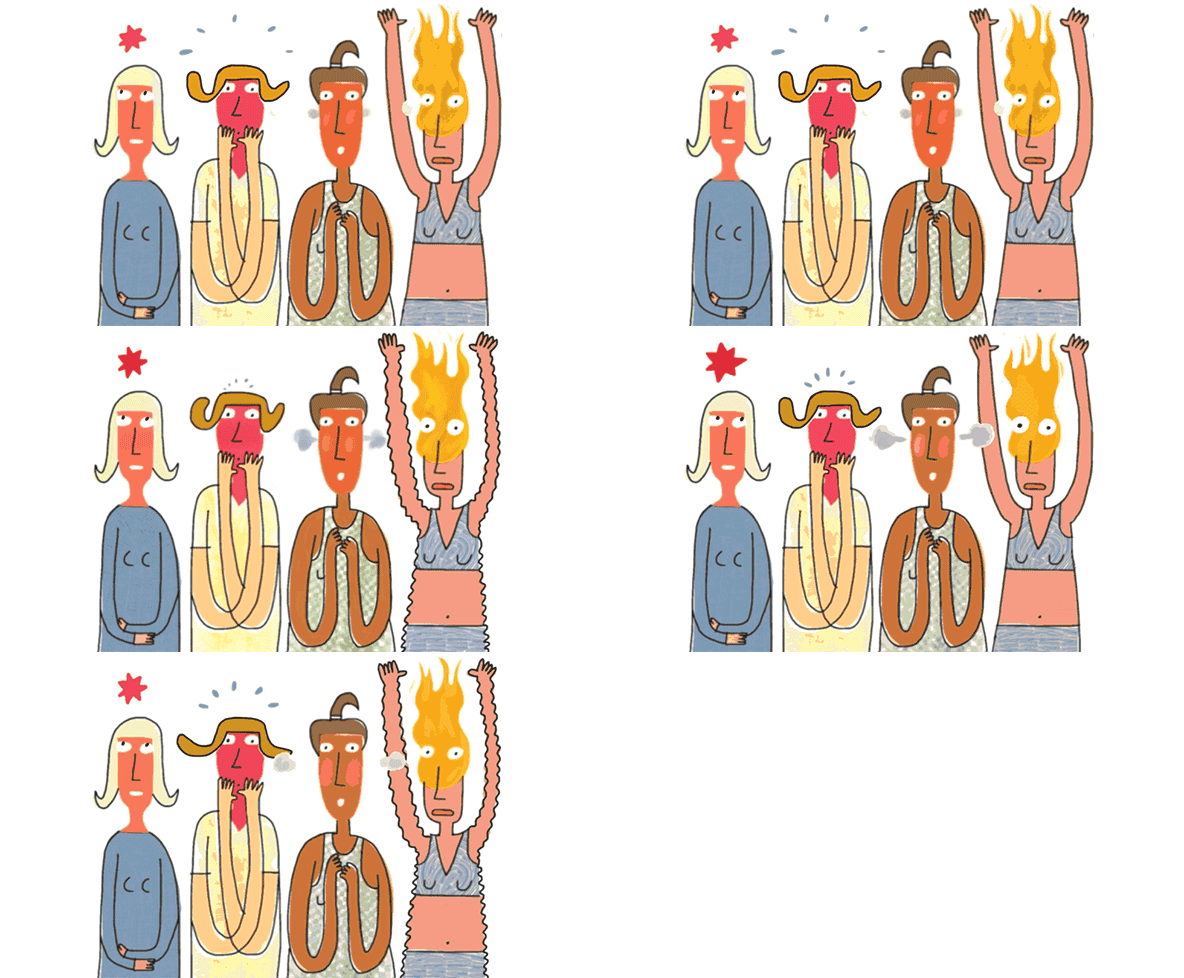
What kind of hot flasher are you? The hot flash — that sudden feeling of warmth that can leave a woman flushed and drenched in sweat — has long been considered the defining symptom…
-

For some women, reaching the menopause can be one of life’s milestones, but when it will happen is a big unknown. Now a blood test can help predict when a woman’s last menstrual period…
-

I am sick to death of hearing women should focus on cardio exercise and leave strength training to men, says Dr Bernadine Jones. Rose George writes about women’s exercise plummeting (Pandemic knocked you off your…
-
Steroid hormones regulate metabolic flexibility at the level of the mitochondria. Estradiol, the most frequently studied among the steroid hormones, plays a pivotal role in determining how food fuel is converted into cellular fuel…
-

..Sometimes my own perimenopausal moods are more rage than anxiety. I woke up the other day and noticed that my husband had placed a couple of champagne corks on top of a picture frame.…
-
Women who have sex more than once a month go into menopause later. Having regular sex during the perimenopausal and menopausal period can also help make sex less painful with time because it helps…
-

A number of things can be going on with your body if you’ve started bleeding after menopause, Julian Peskin, MD, an ob-gyn at Cleveland Clinic, tells Health. But let’s be clear about one thing: It’s…
-

Menopause, despite the fact that it has happened or will happen to every single person with a vagina, is still a pretty confusing milestone—especially for those who experience it. For the most part, it’s…
-

One of the more pervasive, and frankly, annoying myths about menopausal women is that they cannot build muscle after a certain age. The argument goes that as certain hormones decline, so too does the…
-

Metabolic syndrome is a cluster of conditions that occur together, including – increased blood pressure – high blood sugar – excess body fat around the waist, and – abnormal cholesterol or triglyceride levels. Having…