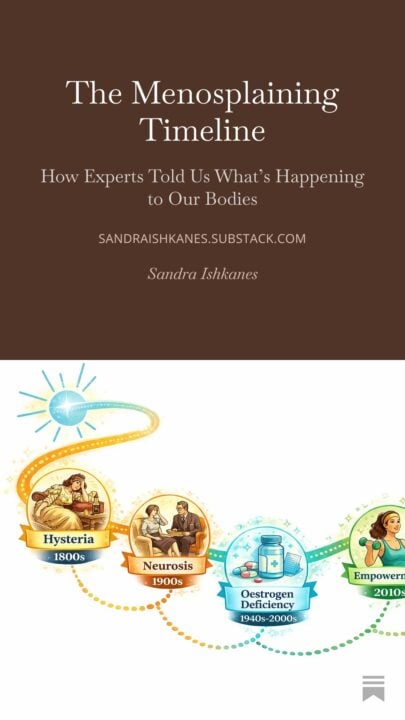
News, views and reviews

A curated view of menopause across media and clinical perspectives

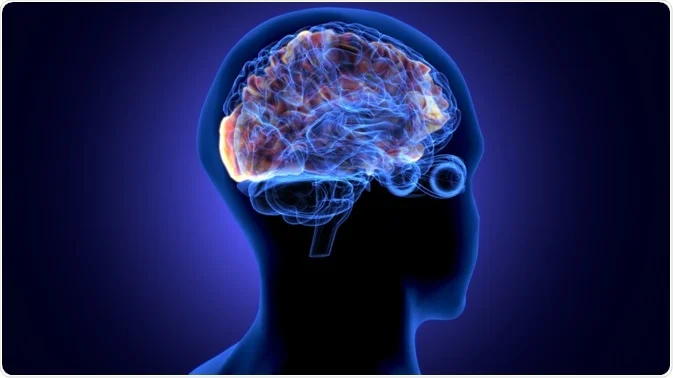
The Surprising Role of Cortisol in Alzheimer’s

Alzheimer’s disease doesn’t begin with memory loss — it begins years earlier with a slow, silent shift in your body’s stress chemistry. Long before neurons die, your brain’s hormonal balance starts to erode under constant pressure from everyday stress. The same hormones that once kept you alert and focused start working against you, wearing down your brain’s repair systems and disrupting the flow of energy your cells depend on. Cortisol, the body’s main stress hormone, plays a central role in this…

Adjusting diet can help women through menopause

Researchers found key differences in inflammation and blood sugar levels after eating in post-menopausal versus pre-menopausal women. The unfavourable effect of menopause on blood sugar control, which is a key risk factor for cardiovascular disease and type 2 diabetes, was found even in women of a similar age pre- and post-menopausal women. This shows for […]

More women affected by perimenopause and menopause at younger ages

The Centre for Longitudinal Studies presented findings from more than 50,000 women participating in nine studies worldwide. The results showed women who have never given birth or been pregnant have twice the odds of reaching menopause before the age of 40. They’re also 30 percent more likely to begin menopause between ages 40 and 44.

In 2011, the average age for a woman to begin perimenopause—the up to 10-year-long estrogen drop that marks a decline in fertility—was 45 years…
Most mammals go through the menopause – if they live long enough

Only humans and a few toothed whales undergo the menopause, many sources will tell you. But a paper by Ivana Winkler and Angela Goncalves at the German Cancer Research Center claims that the menopause is, in fact, widespread among mammals. So which is right? The surprising answer is both.

Goncalves studies how the female reproductive tract ages in mice. “It’s absolutely clear that our mice in captivity reach something that is like menopause in humans,” she says. “And yet every time that…

How does menopause affect the brain?

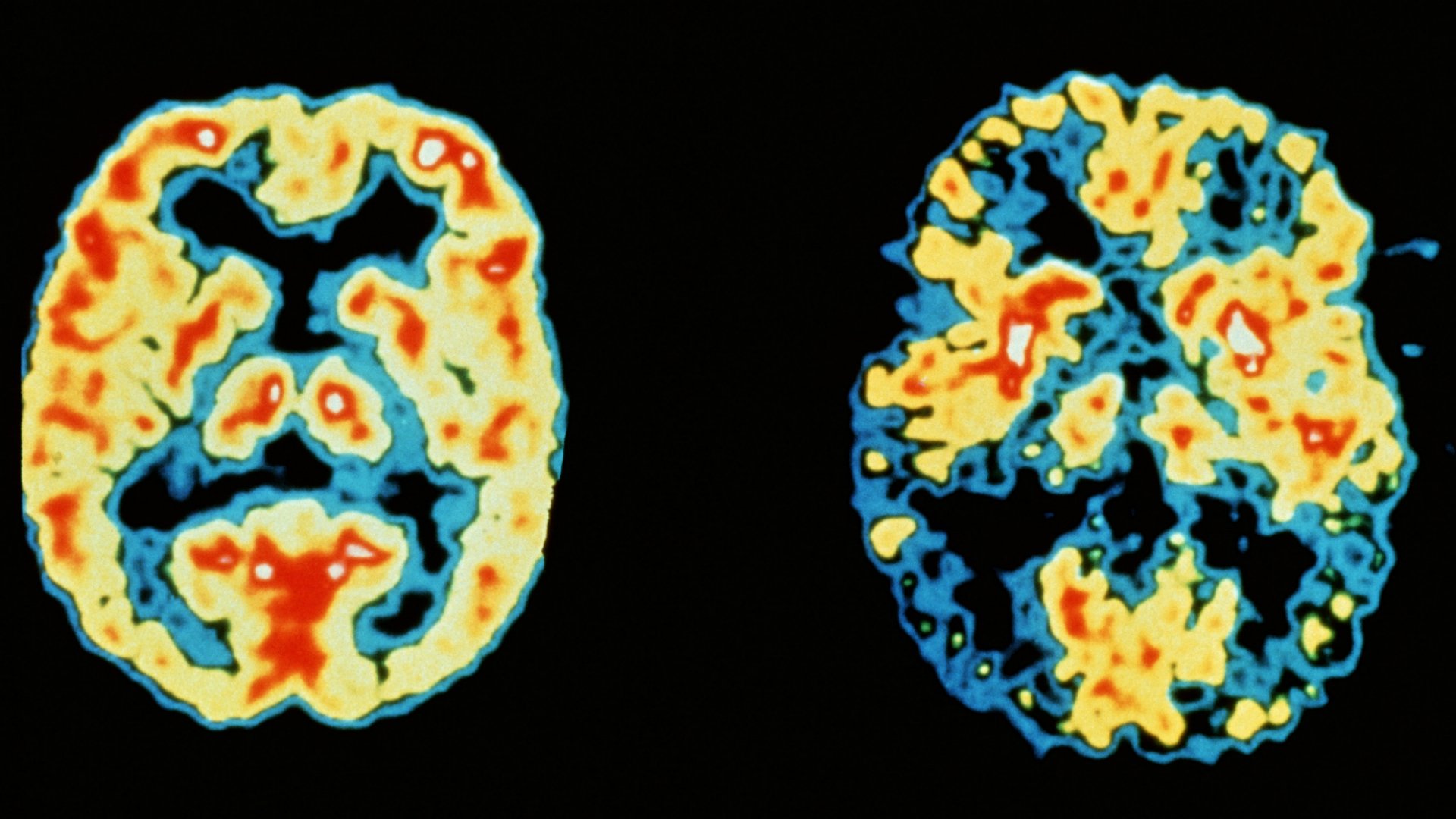
In post-menopausal women, the earliest change in the brain appears to be a fall in the amount of glucose used by the brain, indicating reduced brain activity. This is due to falling estrogen levels, this hormone being vital for brain glucose metabolism.

Vasomotor symptoms (VMS) are the symptom characteristic of the menopausal transition but may occur before, during, or after menopause. These symptoms include hot flashes and night sweats.

At present, it is thought that the hippocampus, parahippocampus, and…

Lupron, Brain Function, and the Keto Diet

In the absence of estradiol, brain glucose transport diminishes significantly. This effectively starves the brain for energy inducing severe bioenergetic deficiencies with all of the concordant neuronal damage one might expect. The reduction in glucose affects the mitochondria severely. Recall that glucose is one of the major fuel substrates of the brain, particularly where the Western diet predominates. The decline of glucose transport, therefore, is significant, and alone, without any other changes to the mitochondria, elicits a cascade of deleterious…

HRT linked to higher risks of acid reflux

Women who have used hormone therapy for menopausal symptoms may be more likely to develop gastroesophageal reflux disease, or GERD, a new analysis suggests.

The study, published online June 27, 2023, by the journal Menopause, analyzed data from five earlier studies involving more than one million women, none of whom had been diagnosed with GERD before the study’s start. Researchers found that participants who were current or past users of hormone therapy for relieving menopausal symptoms were 29% more likely…

Sleep apnoea symptoms in post-menopausal women linked to low oestrogen

Reduced levels of oestrogen and progesterone seem to be what makes post-menopausal women more likely to have symptoms of sleep apnoea, including snoring, irregular breathing or gasping at night.

Middle-aged women who have lower levels of oestrogen and progesterone are more likely to snore, breathe irregularly and gasp while sleeping, which are all symptoms of sleep apnoea.

The involvement of these chemicals means targeted hormone therapy might prove useful for post-menopausal women, says Kai Triebner at the University of Bergen in Norway.

“Women…

Pregnancy and breastfeeding linked to lower risk of early menopause

People who have been pregnant or have breastfed a baby are less likely to experience an early menopause. This may be because ovulation is temporarily stopped during pregnancy and slowed down during breastfeeding, maintaining a reserve of eggs for longer.

The team found that people who had experienced pregnancies that lasted at least six months had a lower risk of experiencing an early menopause – defined as menopause before the age of 45 – than those who hadn’t.

“We…

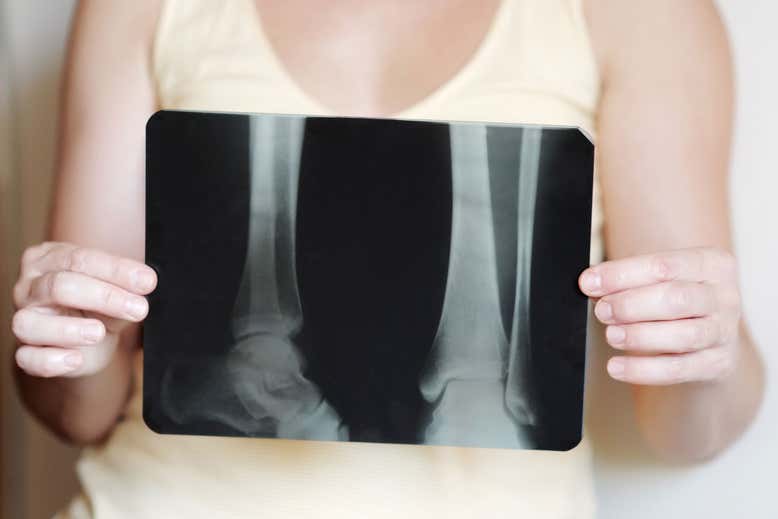
Social stress linked to bone density loss in postmenopausal women

Social stress may release hormones that affect bone loss, a finding that might be linked to the higher incidence of bone fractures after the menopause.

In a study of more than 8000 women aged 50 to 79, researchers found that those who reported higher levels of social stress – defined as strained relationships or stress related to social ties – were also at higher risk of bone fractures.

Women who reported high social strain and poorer quality relationships – and…

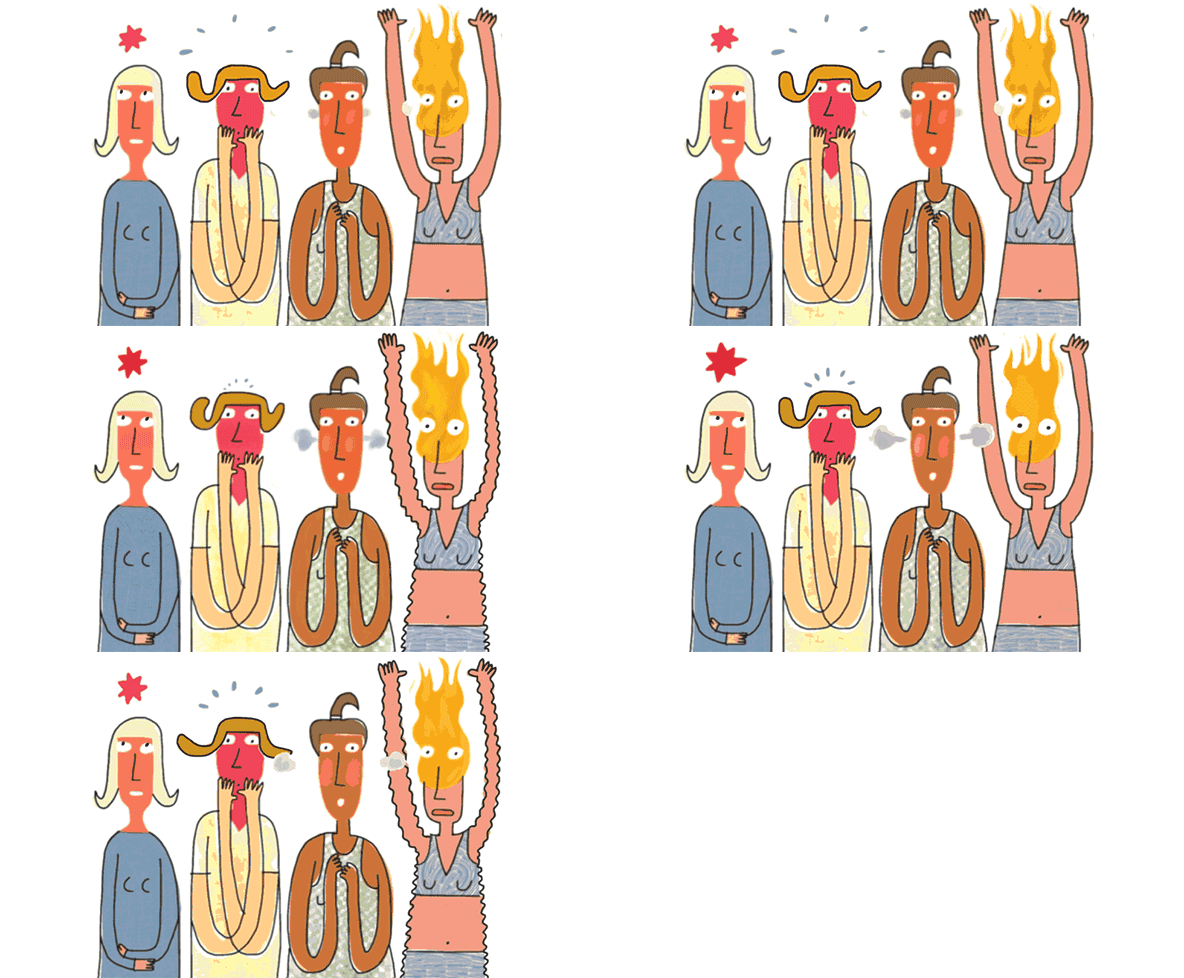
Meet the Super Flasher: some menopausal women suffer years of hot flashes

What kind of hot flasher are you?

The hot flash — that sudden feeling of warmth that can leave a woman flushed and drenched in sweat — has long been considered the defining symptom of menopause. But new research shows that the timing and duration of hot flashes can vary significantly from woman to woman, and that women appear to fall evenly into four hot-flash categories.

Some women, called “early onset” hot flashers, begin to experience hot flashes long…

Blood test can predict when women will have their last period

For some women, reaching the menopause can be one of life’s milestones, but when it will happen is a big unknown. Now a blood test can help predict when a woman’s last menstrual period is likely to be.

The test, called MenoCheck, can’t give a firm date, but it can tell women who are over 47 if they are likely to stop having periods within the next year. It would be most useful for those considering being sterilised or…

Why women and weights are a healthy fit

I am sick to death of hearing women should focus on cardio exercise and leave strength training to men, says Dr Bernadine Jones.

Rose George writes about women’s exercise plummeting (Pandemic knocked you off your stride? An active woman’s tips for getting fit again, 26 July). The NHS wants us to vigorously run and moderately mow the lawn, and then also strength train twice a week. Those of us who do all the housework and all the career-aspiring thinking work and…

Tank Estradiol and Lose Metabolic Flexibility: Pitfalls of Lupron and Oophorectomy

Steroid hormones regulate metabolic flexibility at the level of the mitochondria. Estradiol, the most frequently studied among the steroid hormones, plays a pivotal role in determining how food fuel is converted into cellular fuel or ATP. 

When we eliminate estradiol with medications such Lupron and other GnRH agonists or antagonists, or when we remove a woman’s ovaries, depleting her primary source for estrogen synthesis, metabolic flexibility diminishes significantly.*  

With the lack of metabolic flexibility comes a number…

Surviving perimenopause: ‘I was overwhelmed and full of rage. Why was I so badly prepared?’

..Sometimes my own perimenopausal moods are more rage than anxiety. I woke up the other day and noticed that my husband had placed a couple of champagne corks on top of a picture frame. It made me want to start breaking things. What is this, a goddamned student house? In this state, I noticed things I had missed before: bags spilling out of cupboards, stacks of receipts and change on a table, my son’s stuff everywhere. “It’s like living…

Having Regular Sex Can Delay Menopause

Women who have sex more than once a month go into menopause later.

Having regular sex during the perimenopausal and menopausal period can also help make sex less painful with time because it helps keep the vagina open, she points out — so sex sessions on the regular certainly can’t hurt.

READ MORE

Bleeding after menopause isn’t normal, and you should get it checked out immediately

A number of things can be going on with your body if you’ve started bleeding after menopause, Julian Peskin, MD, an ob-gyn at Cleveland Clinic, tells Health.

But let’s be clear about one thing: It’s not your period. “If a patient’s postmenopausal, there should be no reason for them to bleed,” says Dr. Peskin. Once you’ve hit menopause, there’s no going back. So don’t try to convince yourself it’s probably just one more period to avoid another doctor’s visit.

In…

Can You Get Pregnant After Menopause? The Answer May Surprise You

Menopause, despite the fact that it has happened or will happen to every single person with a vagina, is still a pretty confusing milestone—especially for those who experience it.

For the most part, it’s common knowledge that, once a woman stops having her period, then she also stops having the ability to have children. Or at least it was, until news reports highlight that women past childbearing age—like Omaha native Cecile Edge, at 61 years old—are able to give birth to…

The Myth of Menopausal Muscle Decline

One of the more pervasive, and frankly, annoying myths about menopausal women is that they cannot build muscle after a certain age. The argument goes that as certain hormones decline, so too does the ability to build muscle. On the surface, that seems like a reasonable argument. Indeed, there have been an endless number of studies that suggest hormone decline, in both males and females, negatively influences muscle mass and strength. Ditto for the opposite – increasing certain hormones increases…

66 Peri/Menopause Symptoms

These are very real physical changes and conditions. Some symptoms alarm a woman that she may be suffering from a serious disease. Perhaps you know the more common ones related to menopausal symptoms in this list. But many of these may surprise you, as they have not been typically associated with this normal physiological transformation.

Change in Menstrual Cycle, Cycles may get closer together or farther apart, lighter and shorter in duration or much heavier, lasting longer than one has been…

Carbohydrate Intake and Risk of Metabolic Syndrome.

Metabolic syndrome is a cluster of conditions that occur together, including – increased blood pressure – high blood sugar – excess body fat around the waist, and – abnormal cholesterol or triglyceride levels. Having just one of these conditions doesn’t mean you have metabolic syndrome but as you develop more of these conditions, your risk of complications such as type 2 diabetes and heart disease, rises higher and higher. Research shows that the more carbohydrates you eat, the more likely you are to have metabolic syndrome: for…

How Exercise Lowers the Risk of Alzheimer’s by Changing Your Brain

White matter hyperintesities are areas of the brain where damage has occurred to the neurons. These areas are associated with peri/menopausal hot flushes because the brain is starved of energy and is cannibalising itself for energy.

White matter hyperintesities are also associated with dementia and Alzheimer’s but recent research shows that exercise can help to reduce the risks of decreasing brain function:

“…as people age, the presence of Alzheimer’s-related brain changes increases—including the buildup of amyloid, slower breakdown of glucose by brain…

Menopausal women wrongly prescribed antidepressants which make their symptoms worse

‘They are not mentally ill, antidepressants are not appropriate. Once they have the label, it doesn’t help them,’ says expert.

Hot flushes and night sweats are the most well-known symptoms in peri/menopause, but the most common ones are anxiety, depression and brain fog. So many women who are looking for help get prescribed anti-depressants, despite the fact that:

“Menopause guidelines are very clear that antidepressants should not be given first-line for low mood associated with the menopause because there…

5 Breathing Techniques to Help Reduce Stress

Breathing is information. The more stressed you feel, the faster you breathe, and your brain will notice this and read it as a signal that things are not going well. That fast, shallow breathing which happens when you’re stressed is effectively telling your brain that you’re running from a lion. But the reverse of this rule is also true: if you breathe slowly, you’re giving your brain a signal that you’re in a place of calm. You will start…

Weight-training may help reduce hot flashes

Postmenopausal women can fight off hot flashes and night sweats by pumping iron, a new clinical trial shows.

“Resistance training is already recommended for all women always, but now we can see it may be effective also for hot flashes around menopause,” Dr. Emilia Berin of Linkoping University in Sweden, who led the study, told Reuters Health.

Reuters

Happy ever after: 25 ways to live well into old age

Determined to enjoy longer and healthier lives, two women researched the science to find the key. Here, they share what they discovered.

When Susan Saunders was 36, her mother was diagnosed with severe dementia. “I had a toddler, a newborn, a full-time job as a TV producer – and I became a carer as well.” As a teenager, she had watched her mum care for her own mother, who had the same condition. “I became determined to do everything…

5 Ways to Fuel Your Brain

We tend to think that a loss of mental acuity is just part of getting older — but age is not the only contributing factor to cognitive decline. Our lifestyle also plays a key role. Failing to follow a nutritious diet, a lack of sleep and exercise, ongoing stress, smoking, drinking alcohol excessively and environmental pollutants can all damage our brain cells.

Fortunately, mental deterioration is not irreversible. In fact, the brain is incredibly dynamic and has the potential and…

Later menopause, hormone therapy tied to hearing loss

It was once thought that hearing loss in older women might be linked to loss of estrogen and progesterone following menopause and that hormone therapy might reduce that risk. Recent results from the Nurses’ Health Study II indicate just the opposite — that late natural menopause and the use of oral hormone therapy are linked to a higher risk of hearing loss.

…Further studies are needed to determine whether hormone use causes hearing loss. As of now, the results,…

Study suggests hot flashes could be precursor to diabetes

Hot flashes, undoubtedly the most common symptom of menopause, are not just uncomfortable and inconvenient, but numerous studies demonstrate they may increase the risk of serious health problems, including heart disease. A new study suggests that hot flashes (especially when accompanied by night sweats) also may increase the risk of developing diabetes.

As reported in “Vasomotor symptom characteristics: are they risk factors for incident diabetes?” data was analyzed from the more than 150,000 postmenopausal women who participated in the…

Higher alcohol consumption leads to greater loss of muscle tissue in menopause

If you feel as though you can’t do as much physically as you’ve gotten older, there may be a reason. Both aging and menopause are known to affect sarcopenia, which is a loss of muscle mass and strength, which in turn affects balance, gait, and overall ability to perform tasks of daily living. A new study is one of the first to link alcohol consumption with a higher prevalence of sarcopenia in postmenopausal women. The study outcomes are being…

Moderate-severe hot flashes significantly increase depression risk

A new study of more than 2,000 perimenopausal and menopausal women showed that moderate-severe vasomotor symptoms (hot flashes or night sweats) were an independent and significant risk factor for moderate-severe depression. Researchers explored the controversial link between hot flashes and depressive symptoms by focusing on more severe forms of both conditions and concluding that there is likely a common underlying cause, as reported in an article published in Journal of Women’s Health, a peer-reviewed publication from Mary Ann Liebert, Inc.,…

Why life begins after the menopause: ‘I left my husband and found a toyboy’

You think the menopause signals the end? For these four women, it was only the beginning. Here they share their stories about how the menopause. was the trigger to improve their lives, careers, relationships and even sex lives…  

Hot flushes, mood swings and a diminished sex drive. The menopause s seen as a pretty miserable time for women – but new research suggests that it can actually trigger bursts of energy, creativity, and even renewed intimacy.

According to a recent…

How the menopause has given women a new lust for life

The menopause is so often regarded as a negative experience, but it can be a new chapter in which many women find themselves with a new lease of life.

The rush of energy and increased confidence that women can experience can be the perfect springboard for pursuing long-held ambitions or new dreams, whether that’s embarking on a new career, taking up a new sport or hobby, or simply taking the time to focus on feeling your best.

Here we…

‘Surgical menopause’ linked to poor memory and early-onset dementia

Almost 4,000 women in the UK undergo operations each year to remove their ovaries. The procedure, which triggers the menopause, is often carried out on younger women to prevent cancer.

But now scientists from Toronto University have linked the surgery with a reduction in memory and thinking skills.

Experts fear this may eventually lead to early-onset dementia for many women, and even to Alzheimer’s.

READ MORE

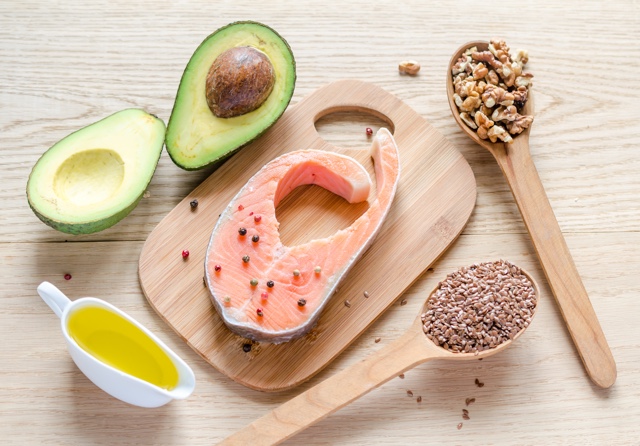
How Omega-3 can provide relief for menopausal symptoms

The therapeutic benefits of omega-3 fatty acids – which are abundant in certain fish oils – have long been known. In the 1950s, upon the discovery that omega-3 improves brain development, cod liver oil was given for free to young children, pregnant women, and nursing mothers. In the 80s, scientists reported that eskimos enjoy better coronary health than their mainland counterparts as a result of their fish rich diets. And in 2009, a study published in the Menopause journal…

Gut Microbes linked to estrogen breakdown in menopause

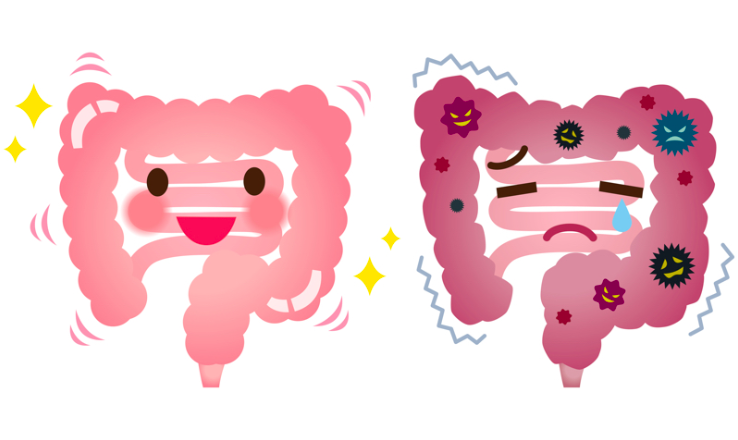
Postmenopausal women with a more diverse population of gut bacteria may be more efficient at breaking down estrogen, a new study suggests. Because estrogen plays a role in causing breast cancer, researchers speculate a healthy bacterial population may lower the risk for cancer.

“The composition and diversity of the intestinal microbiota were associated with patterns of estrogen metabolism that are predictive of the risk of breast cancer in postmenopausal women,”

Estrogen is metabolized in the liver and in other…

Changing vaginal microbiome triggers and relieves atrophy

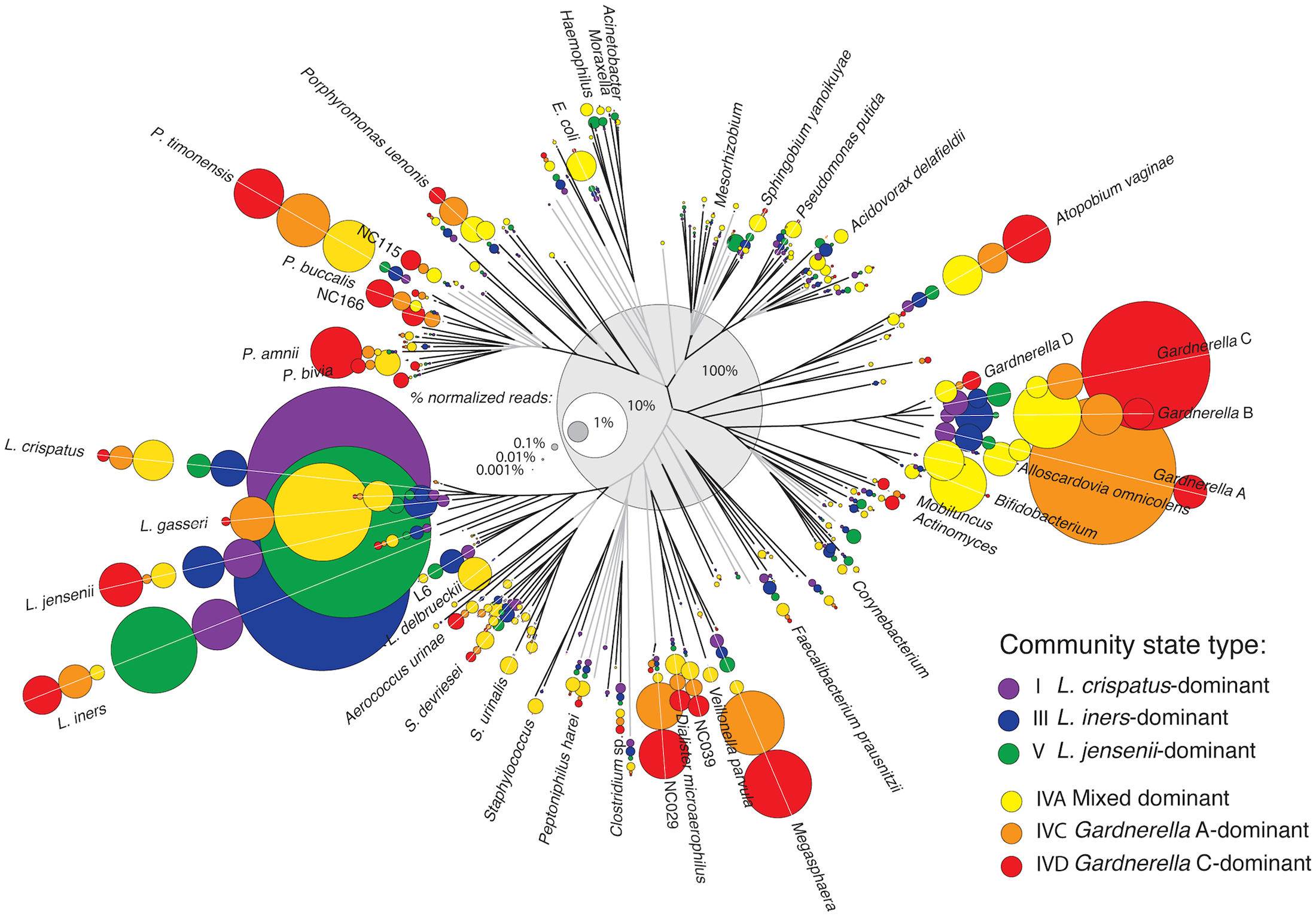
Postmenopausal vulvovaginal atrophy is associated with age-related changes in the vaginal microbiome, with a shift from Lactobacillus-dominated strains in premenopause to a predominance of anaerobic organisms, new research shows.

“We have not yet identified specific interventions, but we are interested in pursuing personalized selections of probiotics and prebiotics for a given woman,” said lead investigator Rebecca Brotman, PhD.

“We have been advocating probiotics or prebiotics to improve vaginal health for almost 30 years,” said Gregor Reid, PhD.

“I 100% support…

Iron builds a better brain: brain integrity is linked to iron homeostasis

Brain imaging and gene analyses in twins reveal that white matter integrity is linked to an iron homeostasis gene.

Iron deficiency is a well-known cause of impaired cognitive, language, and motor development, but a report out today (January 9) in Proceedings of the National Academy of Sciences reveals that even in apparently healthy young adults, variations in iron levels correlate with variations in brain structure integrity.

“[The researchers] make a very interesting connection between the issue of iron metabolism…

Hot flushes? Losing weight may help

Overweight women who experience hot flashes—the uncomfortable flushing and sweating spells that accompany menopause—may be able to cool those symptoms by losing weight, a new study suggests.

“If you’re a woman who is overweight or obese, you can substantially improve your hot flashes by losing weight through diet and exercise,” says Alison Huang, MD, the lead author of the study and a professor of internal medicine at the University of California, San Francisco.

“Weight loss isn’t just something that will benefit your…

Menopause, the makeover

Psychologists are helping women sidestep the stereotypes associated with menopause and transform this developmental passage into a vital new phase of life.

… In a 2008 qualitative study in the Women’s Studies International Forum (Vol. 31, No. 4), for instance, 21 midlife Australian women reported greater confidence and wisdom, more time for themselves, and greater self-awareness and self-worth, despite some sadness about ageing. Likewise, a 2008 article in Maturitas (Vol. 39, No. 1) by University of Copenhagen physician Lott Hvas, MD, found…

Nutritional Interventions for Protecting the Brain

More forgetful? Not thinking as clearly? Simple arithmetic coming more slowly? Worried that mental functions are worsening? Are the processes of ageing catching up? There is much that can be done to prevent worsening mental functioning and memory loss. For some, memory loss heralds the onset of dementia. Regardless of a person’s occupation or social environment, loss of memory is the most feared consequence of ageing…

…Specific nutritional interventions and nutritional supplements can help to detox and protect individual…

From my Substack

I write regularly about menopause, symptoms, biology, and the wider story women are so often not told. If you want to go deeper into the thinking behind my work, you can start here.

Book a discovery call and in 30 minutes you can:

30 minutes · Free · No obligation

Not ready to book? Follow my thinking on Substack


Sandra Ishkanes  Natural Menopause Specialist based in Brighton, serving clients worldwide via Online Consultations   
BSc Molecular Biology (King’s College London) | DipION | Functional Medicine Practitioner
Registered member, Association of Naturopathic Practitioners (ANP) – the UK professional body for accredited naturopathic and functional medicine practitioners. ANP members hold accredited qualifications, carry professional indemnity insurance, and follow a strict code of ethics.

© 2026 Sandra Ishkanes  ·  sandraishkanes.co.uk

Approach  ·  Work With Me  ·  Case Studies  ·  Meet Sandra  ·  Writing  ·  Book a Discovery Call

The information provided on this website is for educational and informational purposes only and is not intended as medical advice, diagnosis, or treatment. Sandra Ishkanes is a Functional Medicine Practitioner and Molecular Biologist, not a medical doctor. Always seek the advice of your GP or other qualified healthcare provider with any questions you may have regarding a medical condition or before making any changes to your diet, lifestyle, or supplement regimen—especially if you are currently taking prescription medication or HRT. Never disregard professional medical advice or delay in seeking it because of something you have read on this website.